What are the harms of laying hens starting to lay too early? Farmers must not ignore this
Laying hens are the only source of eggs, because the market demand for eggs in China is extremely large. So the scale of laying hen farming in China is still very large, and when raising laying hens, the start of laying is very important. Many people think that the earlier laying hens start to lay, the better, but this is actually wrong, and the harms involved are very great. So what are the harms of laying hens starting to lay early? And what causes laying hens to start laying early? Let's take a look together below!
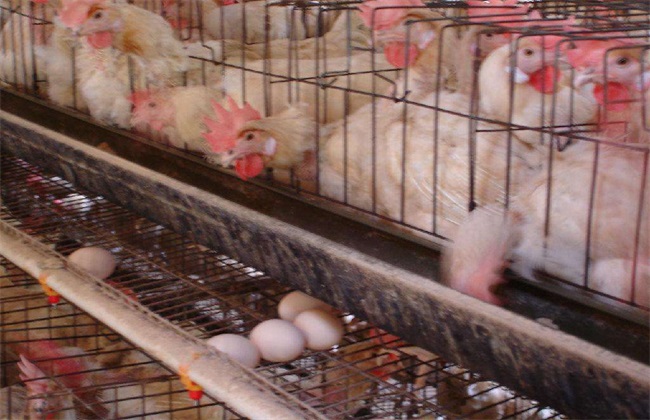
1. Reasons for early laying
When raising laying hens, many poultry farmers, in order to increase output and farming profits, promote earlier laying by methods such as increasing light ahead of time and switching to laying feed. During the rearing period, laying hens have certain requirements for light intensity and duration. If the light duration is too long and the intensity is too strong, it can easily cause laying hens to start laying earlier. Therefore, if during the rearing period this occurs in periods with long natural daylight such as the winter solstice and summer solstice and no timely regulation is made, then this will also be a main reason for laying hens starting to lay too early.
2. Harms of early laying
If laying hens start laying early, then it will cause very great harm both to their laying performance and to the body of the hens. If laying hens start laying too early, the eggs laid will be extremely small, the weight of individual eggs will be lighter, the laying rate will decline, and the duration of the peak laying period will be very short. After passing the peak period, the laying rate of the hens will drop in a straight line. As for the body of the hens, the bones and meat of the chickens have not fully developed and matured, which affects the normal weight gain of the laying hens themselves. It lowers the resistance of the laying hens, making premature aging likely. It is also prone to adverse phenomena such as difficult laying, prolapse of the cloaca, and cloacal pecking, leading to an increase in the death and culling rate.
3. Control measures
For the phenomenon of laying hens starting to lay too early, we should make different control measures according to the actual situation. If they have already started laying too early, then we should promptly reduce light intensity and shorten light duration. The daily light duration must not exceed 16 hours. And before the laying hens begin to lay, feed them in time; if there is prolapse of the cloaca, then local treatment should be carried out, combined with oral medication. As for chickens whose cloaca has been pecked, the situation is generally quite serious, and they have basically lost treatment value, so attention should be paid to culling them in time.
For laying hens that have not yet shown the phenomenon of starting to lay too early, we should focus on prevention and avoid the occurrence of early laying. First, poultry farmers themselves should strengthen their awareness, and must not rush for quick results for the sake of output, using various means to advance the laying start time of laying hens, which will instead achieve the opposite of what is desired. When laying hens grow to 10-20 weeks of age, the daily light duration should be kept at around 12 hours, not too long, and the light intensity should not be too strong either. As for rearing chickens during the winter solstice and summer solstice periods, regulation should be done well according to their specific growth conditions.
The above is a brief introduction to the harms of laying hens starting to lay early. That is all for today's introduction. This article is for reference only, and I hope it can help everyone!