What to do if a Gymnocalycium baldianum has root rot? Here's the correct way to handle it
Gymnocalycium baldianum is a common succulent plant in daily life. Succulents are extremely prone to root rot if not cared for properly, and Gymnocalycium baldianum is no exception. Many friends don't know what to do when a Gymnocalycium baldianum has root rot, or whether it can still be saved after root rot. Come take a look with the editor at how to deal with root rot in Gymnocalycium baldianum.
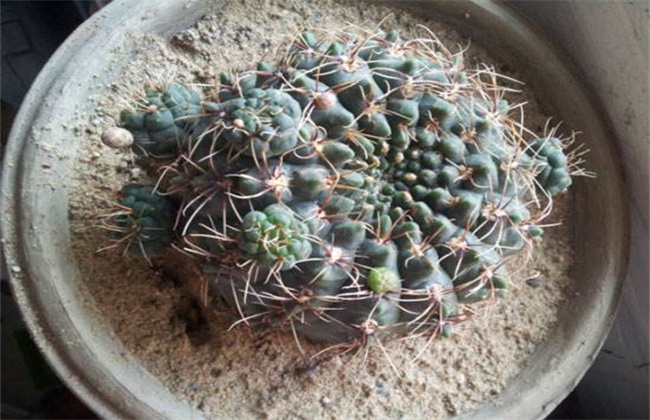
1. Cut off the rotten roots
After discovering that a Gymnocalycium baldianum has root rot, first find a relatively sharp blade and cut off the rotten roots. Of course, the knife must be sterilized before use. Also, to avoid waste, you can cut layer by layer when removing them, with each cut about 1 cm thick, continuing until you reach a part with no rot. Remember to completely cut away all the rotten root system; don't hold back out of reluctance, otherwise the wound will continue to fester.
2. Treat the wound
After the rotten roots are completely cut away, apply a layer of carbendazim to the cut surface of the Gymnocalycium baldianum to disinfect it, then place it in a cool, ventilated spot to dry. Because the wound area is relatively large, the drying time is correspondingly longer, generally requiring about a week. When the wound becomes hard, that means it has dried. This is one of the methods for dealing with root rot in Gymnocalycium baldianum.
3. Replant
When replanting, prepare fresh soil for the Gymnocalycium baldianum. You can mix perlite and humus soil, then choose a suitable flowerpot and replant it. Be careful that the planting depth does not exceed 1 cm. Afterward, keep the soil moist and provide shade for care. To prevent a second infection, it is recommended to disinfect and sterilize the potting soil before planting.
4. Later care
After replanting, it must be kept in a cool, ventilated spot for care. Under normal conditions, it will usually take root in half a month. Once the roots have grown into the soil, it can then be given normal light for care. You can take it outside to bask for 1-2 hours each day, or place it somewhere with scattered light for care, but it must not receive strong light, otherwise it may die.
5. Precautions
Because environments and temperatures differ, the drying time for the wound also differs. In some regions it may take half a month of drying to be ready, while in others only a week is enough. It is recommended to dry it for a longer time, because Gymnocalycium baldianum itself has a high water content and loses water slowly, so it will not wither and die even after being dried for several months. After replanting, if the potting soil is relatively dry, you can water it a little appropriately, just enough to keep the potting soil moist. Remember not to water too much, otherwise water will accumulate in the potting soil again and cause root rot once more.
The above is an introduction to what to do if a Gymnocalycium baldianum has root rot. I hope it helps you. If you want to learn more related knowledge, please stay tuned to us.