How to repot a Gymnocalycium baldianum? Full analysis of methods and precautions
Gymnocalycium baldianum is a common succulent potted plant in daily life, loved by people for its high ornamental value and simple cultivation method. As everyone knows, potted plants all need repotting. So how often should Gymnocalycium baldianum be repotted? What should be noted? Let's learn about it together with the editor.
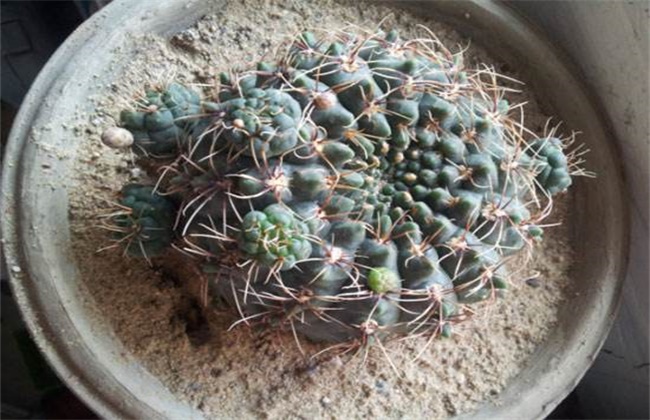
I. How often should Gymnocalycium baldianum be repotted
Gymnocalycium baldianum is a succulent plant that can bloom, and its flowering period is relatively long. After each bloom, it consumes a large amount of nutrients, and the nutrients in the potting soil will be gradually absorbed completely. Therefore, it must be repotted once every 1-2 years, otherwise the nutrients in the potting soil will not be enough to sustain continued blooming, and over time, the branches and leaves will also gradually wither.
II. Repotting methods and precautions
1. Removing from the pot
The best time to remove Gymnocalycium baldianum from its pot is in spring. Before removing it from the pot, first put on a pair of gloves to avoid being pricked by the spines, then firmly pat around the flower pot to separate the soil from the pot, then slowly lift the plant upward, shake it a few times, and it will come out of the pot.
2. Trimming the roots
After removing Gymnocalycium baldianum from the pot, its roots also need to be trimmed. The root system of Gymnocalycium baldianum is relatively shallow, but there are quite a lot of roots. First, shake off the soil on the roots, and by the way check whether there are any dried or rotted roots, then trim them off. Some poorly nourished lateral roots should also be trimmed off in time.
3. Disinfection
After trimming, soak the roots of Gymnocalycium baldianum in a carbendazim solution for sterilization and disinfection. Take it out after 20 minutes and let it dry, then it can be potted. It should be noted that the tools used after trimming must also be disinfected, and rusty knives must not be used, otherwise they will infect the plant with pathogens.
4. Preparing the soil
Gymnocalycium baldianum has very low requirements for soil, but in order to maintain the plant's growth and flowering amount, it is best to choose fertile humus soil. Fertile soil is beneficial for Gymnocalycium baldianum to bloom and grow. You can also use coarse river sand, vermiculite, and granular soil to prepare it. The soil prepared in this way is relatively breathable, airy, and has excellent drainage.
5. Potting
Put on gloves and place the dried roots into the flower pot, then fill in soil when potting. After potting, compact the soil, water thoroughly to settle the roots, and place Gymnocalycium baldianum in a cool and ventilated place to let it adapt to the new soil. Generally, after about a week, it can be cared for normally. After adapting to the soil, it can receive scattered light, and after that it can be cared for normally.
The above is an introduction to the repotting methods and precautions for Gymnocalycium baldianum. I hope it can help you. If you want to learn more related knowledge, please stay tuned to us.