How to prevent infectious diseases in chickens? Detailed explanation of four major prevention and control measures
For chicken farmers, the most feared thing is chickens getting sick, and what they worry about most is an outbreak of infectious diseases. Once it spreads, it is not only fast, but also causes huge losses. So in order to avoid an outbreak of chicken infectious diseases, chicken farmers need to take good preventive measures. Let's take a look below.
1. Disinfection
Disinfection is a key point in the daily management of chicken farming, especially when epidemics are highly prevalent. It must be done well. For example, outside vehicles and personnel should try not to enter the chicken farm. If it is your own vehicles and workers, they should also be disinfected in advance when entering and leaving the chicken house, so as to avoid bringing pathogens into the chicken house. In addition, the floor, walls, feed troughs, and other feeding utensils of the chicken house should be disinfected. This is especially true for cage-raised chickens, and the chicken cages should be disinfected in time. These are all things to pay attention to. The excrement of the flock also needs to be cleaned up in time every day.
2. Feed formulation
Attention should also be paid to feed formulation, and attention should be paid to balanced nutritional matching. Only when the chickens eat well will their physique be better. With a strong physique, they will naturally have stronger disease resistance. When feeding, also pay attention: it is not suitable to add too much feed each time. The temperature and humidity in the chicken house are relatively high, and the feed is very prone to mildew after being poured out. After chickens eat moldy feed, their physique will become very poor. Moldy feed will also breed pathogens and bacteria, causing the flock to become sick. Therefore, when feeding, it is necessary to ensure that the feed is clean and hygienic, and moldy feed must be disposed of in time.
3. Pay attention to observation
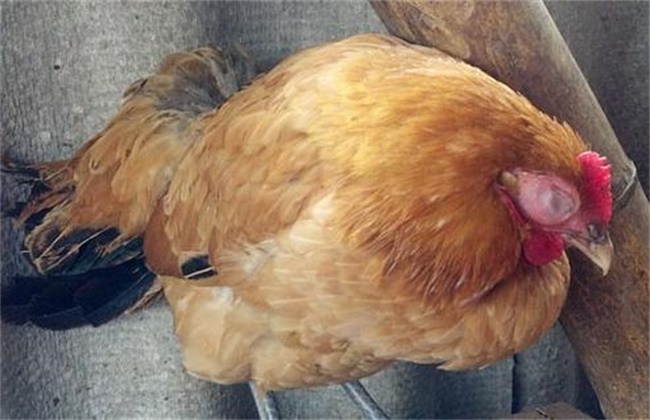
In the early stage of disease onset, chickens will more or less show some symptoms, so careful observation is necessary. Many people say that chickens become sick very suddenly, but in fact a large part of this is due to neglecting observation. If observed earlier and isolated as soon as possible, losses can be reduced at least somewhat. Especially at night, it is relatively quiet, which also makes observation easier. In addition, when the lights are turned on, healthy chickens should be relatively lively and show active eating. If they stay still and do not move, then there is basically a problem.
4. Vaccines
Vaccinating chickens is also relatively important. When chicks are 7 days old, the first vaccination is needed, and then vaccination is also needed in both spring and autumn each year. Vaccination is the most effective measure to prevent disease. If some chickens have an infectious disease and still cannot be cured after isolation, then they can be culled in time to minimize losses.
The above is an introduction to the four major prevention measures for chicken infectious diseases. We hope it can help you. If you want to learn more related knowledge, please follow us.