Key points and precautions for four-season grazing management of mutton sheep
Sheep are ruminants and are suited to grazing, and forage grass is an important feed source for sheep. Making full and reasonable use of natural grassland for grazing not only saves grain and reduces feeding costs, but also benefits the growth and health of sheep. China has a vast territory, and climatic conditions vary greatly from place to place, so grazing techniques differ from season to season. Let's take a look below at the key points and precautions for four-season grazing management of mutton sheep.
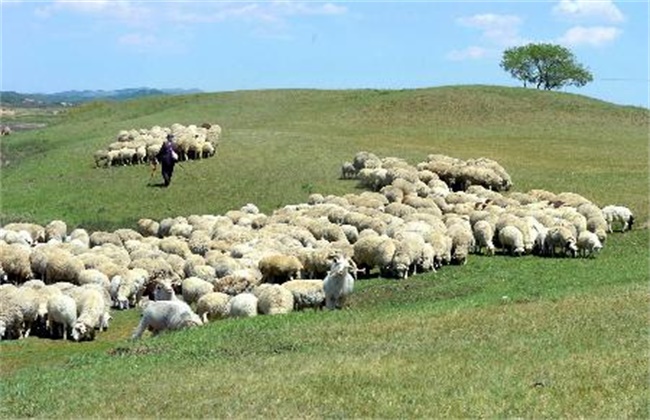
1. Spring grazing management
After going through the winter season of withered grass, mutton sheep are in poor body condition and are greedy, making them highly prone to overeating young grass, which can cause diarrhea or rumen bloating. Therefore, spring grazing must first pay special attention to two things: one is "running after green grass," and the other is "bloating." In spring, most dry grass and fallen leaves have already rotted, and although young grass has sprouted, it is too short to be bitten off, so the sheep wander everywhere searching for green grass and various tree flowers without getting enough to eat, forming "running after green grass." This makes the sheep even thinner and weaker, and can even cause death. This is the most difficult season for grazing, and management must be strengthened. In spring grazing, it is better to set out late and return early, and the flock need not return to the pen at noon, so that the sheep can consume more. In addition, poisonous grasses sprout early in spring, and the flock is eager to eat grass, so they may very likely eat them by mistake and be poisoned. Therefore, the condition of the pasture must be watched at all times, and once poisoning is found, it must be dealt with promptly.
2. Summer grazing management
Summer is hot with high temperatures, and there are also many mosquitoes and insects, so heatstroke prevention and cooling work must be done well. Grazing also means going out early and returning late. During the hot noon period, watch out for the flock bunching together to avoid heatstroke. The flock should rest in a ventilated, shady place, and if necessary they can rest along the way. In summer, forage is abundant, which is a favorable time to fatten them up. When grazing, also try to avoid low-lying areas with many mosquitoes and insects and that are stuffy, hot and damp; it is better to graze on cool, high ridge slopes, and best to find places with mountain onions, wild garlic and medicinal herbs. Such forage is not only rich in nutrients, but also has the effect of expelling parasites and stimulating appetite.
3. Autumn grazing management
In autumn, forage is abundant and grass seeds gradually mature. Grass seeds are rich in carbohydrates, protein and fat, and have high nutritional value, making this the best period for reaching full body condition. Autumn grazing means, on the basis of doing a good job of summer fattening, enabling the sheep's bodies to fully accumulate fat and maximizing the flock's body condition to prepare for overwintering. For autumn grazing, it is best to choose places near ditches and rivers where the grass is tall and dense, or on both banks of rivers, or places with lush grass and many seeds. Daily grazing time must not be less than 10 hours.
4. Winter grazing management
In winter, temperatures are low, plants begin to wither, and there may also be rain and snow, so when grazing, attention must be paid to cold protection and warmth. Generally, winter grazing is often done near the pens, letting the sheep eat some leaves and dry grass, and letting them move around and bask in the sun more. Pastures should be chosen in valleys or low depressions on sunny slopes that are sheltered from the wind, face the sun, have high, dry terrain and good water sources. Grazing should not go too far, so that in extreme weather the flock can quickly return to the pens and their safety can be ensured.
The above is an introduction to four-season grazing management and precautions for mutton sheep. We hope it can help you. To learn more related knowledge, please stay tuned to us.