How to grow Zephyranthes candida? Detailed guide to cultivation methods and precautions
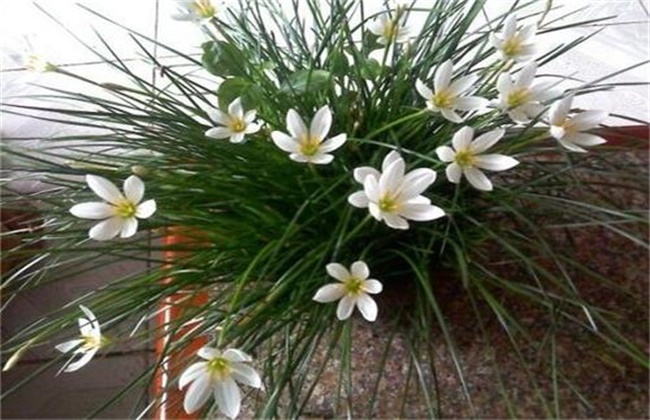
Zephyranthes candida looks like a chive, with relatively large, trumpet-shaped flowers resembling daffodils. Although its appearance is fairly ordinary, it is often planted in mass as ground cover in landscaping, forming a brilliant red expanse when in full bloom, with extremely strong ornamental value. At present, it is often cultivated in parks and gardens across various regions. So how should Zephyranthes candida be grown? Let's take a look together.
I. Cultivation methods
1. Soil
When growing Zephyranthes candida, the first thing is to choose the soil, based on its growth habits. Choose a well-drained, humus-rich sandy soil; there is no need to worry about pH. Zephyranthes candida has extremely strong adaptability and is not very demanding about soil; it can adapt to everything from slightly acidic and weakly alkaline soil, and from sandy soil to light loam.
2. Light
Plant growth and development cannot do without light, and Zephyranthes candida likes an environment with sufficient light. First, give it sufficient light for growth. Normally, when outdoor light is not strong, it can be placed outside to receive full sun; when the light is intense, it can also be grown outside, but appropriate shading is needed.
3. Temperature
Zephyranthes candida likes a warm environment and is not cold-tolerant. The optimal growth temperature is between 16-28 degrees, so for better growth, it is best to keep the temperature within this range.
4. Watering
Zephyranthes candida likes a moist environment, so it needs moderate watering, keeping the soil slightly moist and on the dry side. During the growing season, follow the principle of watering when dry and stopping when wet; there must never be standing water. After autumn, reduce the amount of watering, until in spring keeping the potting soil slightly dry and slightly moist is enough.
5. Fertilizing
During the growth of Zephyranthes candida, fertilizing is also very important. Generally, fertilize once every 2-3 months, increasing phosphorus and potassium fertilizer proportionally, which can promote bulb enlargement and good flowering. Fertilizer can be organic fertilizer, such as meal, compost, or nitrogen, phosphorus and potassium fertilizer.
II. Precautions
In order to make Zephyranthes candida produce more flowers, it should be repotted once every 1-2 years. The potting soil can be half leaf mold and half garden soil, mixed with a small amount of fine sand, plus some bone meal and NPK compound fertilizer to make a growing medium. In addition, pruning is also crucial during the growth of Zephyranthes candida. When the stems and leaves turn yellow, they need to be pruned away, achieving a balance of density and openness to ensure healthy growth during the flowering period of Zephyranthes candida.
The above is an introduction to the cultivation methods and precautions for Zephyranthes candida. We hope it helps you. To learn more related knowledge, please follow us.