How to grow hollyhocks? Detailed guide to cultivation methods and precautions
Hollyhock, also called "yizhanghong", is a biennial erect herbaceous plant in the Malvaceae family. It is very widely distributed in China. Hollyhock has high ornamental value and can be used both for landscaping and as a potted plant. Moreover, its roots, flowers, leaves and other organs can be used as medicine, with many medicinal effects. So how should hollyhocks be grown? Below, the editor brings you the cultivation methods and precautions for hollyhocks. Let's take a look!
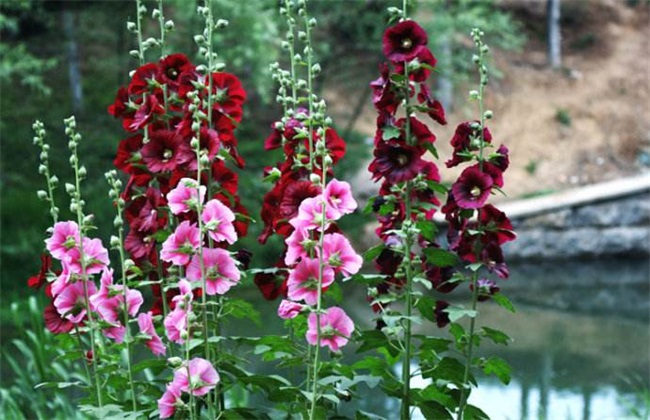
1. Soil selection
Before growing hollyhocks, we first need to choose the soil well. Although hollyhocks do not have very high soil requirements and have strong adaptability, able to grow normally in saline-alkali land, the quality of the soil will determine how well the hollyhocks grow. Therefore, we should choose a soft, fertile soil with normal drainage and irrigation and rich organic matter for cultivation. Suitable soil is very important for the growth of hollyhocks, so everyone must pay close attention to this. Then we should also deep-plow and disinfect the soil, and apply sufficient base fertilizer.
2. Planting management
Hollyhocks have strong growth ability, so management is not very difficult either. When the hollyhock seedlings grow to about 2-3 true leaves, thinning should be done well to widen the spacing between plants and rows. After thinning and transplanting, water appropriately, then carry out one intertillage and weeding before flowering, and topdress about twice. The fertilizer should mainly be phosphorus and potassium fertilizer. During the seedling growth period, we should also topdress an appropriate amount of liquid nitrogen fertilizer. And frequently loosen the soil and weed to ensure normal growth of the hollyhocks. In order to extend the flowering time of hollyhocks, we should maintain sufficient moisture. After the flowers fade, cut off the aboveground part to encourage the sprouting of new buds.
3. Water and fertilizer management
When managing planted hollyhocks, the most important thing is water and fertilizer management. During the growing process, pay attention to frequent watering to maintain a moist environment. Provide sufficient water for the growth of hollyhocks, but also pay attention to controlling the amount of water well, not too much, to prevent waterlogging damage to the hollyhocks. And as just mentioned, during the flowering period, water more to increase the number of flowers and extend the flowering period. When fertilizing, not only should sufficient base fertilizer be applied, but during its growth period, liquid fertilizer mainly based on nitrogen fertilizer should also be topdressed about twice. After the flower buds form, topdress liquid fertilizer mainly based on phosphorus and potassium fertilizer twice more.
4. Precautions
Hollyhock is a light-loving plant, so the first thing we should pay attention to is maintaining an environment with sufficient light. Except in summer, hollyhocks can be exposed to direct sunlight, but during the strong-light season in summer, attention should be paid to doing good shading work to prevent the leaves from being scorched by sunlight. The suitable growth temperature for hollyhocks is around 25-30 degrees. After entering the flowering period, 26-28 degrees is the optimal temperature range. If the monthly average temperature is below 17 degrees, flowering will be affected. So everyone must pay attention to controlling the temperature well. However, the underground part of the hollyhock has strong cold resistance and can overwinter outdoors in winter.
The above is a brief introduction to the cultivation methods and precautions for hollyhocks. That is all for today's introduction. This article is for reference only, and I hope it can help everyone!