How to grow a croton? Detailed guide to cultivation methods and precautions
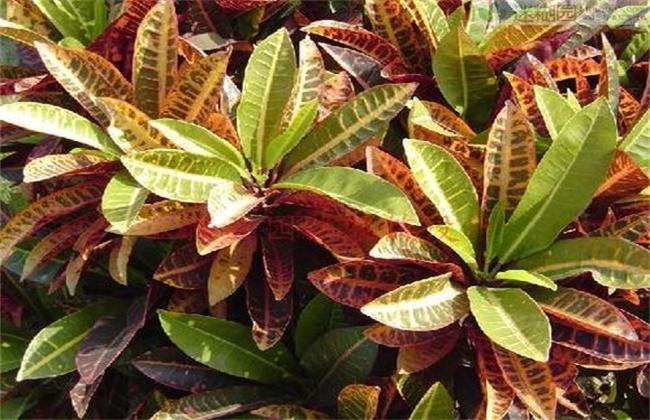
The croton is not a native ornamental plant in our country, but a plant introduced from Africa. It gets its name because its leaves are large and can change color, and it is very beautiful when grown indoors. So how should the croton be cultivated? Let's take a look together.
I. Cultivation methods
1. Soil
The croton is suitable for growing in loose, fertile humus soil. This kind of soil has good drainage and air permeability, and is not prone to water accumulation. You can buy it yourself or mix it yourself.
2. Light
To grow the croton well, light is the key condition. Although the croton has strong adaptability to light, if you want it to look more beautiful, then we need to give it sufficient light. Generally, except for appropriate shading in summer, it can be cultivated in the open in the other seasons, which can make its leaves more beautiful.
3. Temperature
The croton is native to Africa, so we naturally know that it is not cold-tolerant. Low temperatures will cause varying degrees of damage to its cultivation. Under normal circumstances, the cultivation environment temperature needs to be kept above 20 degrees. Below this temperature range, its leaves will fall off, and in severe cases, the leaves will wither or even fall off completely.
4. Watering
During the growth period of the croton, it needs to be given sufficient water, and its leaves need to be sprayed with water continuously every day. In autumn and winter, the amount of watering should be gradually reduced, but appropriate spraying is still needed. Although the croton likes a humid environment, it cannot be watered too much, otherwise it will cause water accumulation at the roots and root rot.
5. Fertilizing
As for the demand for fertilizer, during the growth and development period of the croton, special attention must be paid, especially during the vigorous growth period, and its supply of fertilizer and water must be ensured to be sufficient. The frequency of fertilizing depends on the specific situation. After fertilizing, the soil should be loosened appropriately, which is good for the croton.
6. Propagation method
The croton is generally mainly propagated by cuttings. The diameter of a new shoot used as a cutting should preferably be 1 cm, and a 10 cm section should be cut and inserted in a greenhouse sand bed in early April. Keeping the room temperature above 25 degrees is enough for it to survive.
II. Precautions
The leaf color of the croton will gradually change with exposure to light. The stronger the light, the brighter its leaf color will be. If the light is very weak, its leaves will turn blackish purple and lose their ornamental value. Therefore, during the care process, appropriate shading is needed when the light is strong, especially in summer.
The above is an introduction to the cultivation methods and precautions for croton. I hope it can help you. If you want to learn more related knowledge, please follow us.