Causes and Solutions for Yellowing and Drying Leaves of Bambusa multiplex
Bambusa multiplex has slender branches and high ornamental value, making it very popular among many people. It is very suitable for decorating courtyards, offices, and other places, and it also has the function of purifying the air. It is now cultivated in various parts of our country. However, when we cultivate Bambusa multiplex, if it is not managed properly, it can very easily cause the leaves to turn yellow and dry, reducing its ornamental value. So what causes the leaves of Bambusa multiplex to turn yellow and dry? And what should be done about it? Let's take a look together below!
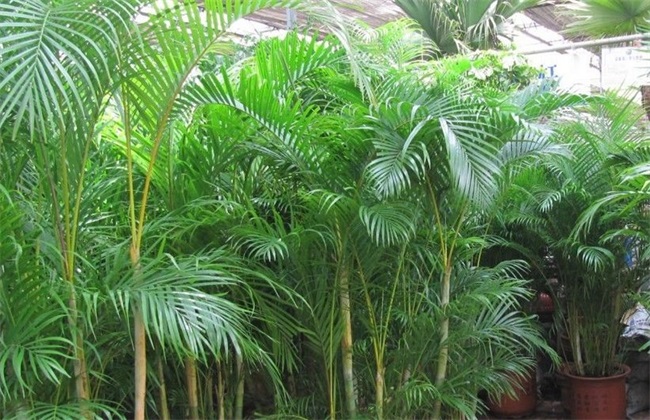
1. Excessive Fertilization
When fertilizing Bambusa multiplex, if too much fertilizer is applied, it can very easily cause the leaves to turn yellow and dry. This is especially obvious at the leaf tips, and the old leaves will gradually fall off because of this. Therefore, if yellowing and drying are caused by excessive fertilization, then an appropriate amount of clean water should be added to the soil in time to dilute the fertilizer, and if the situation is more serious, the soil should be replaced with new soil. However, the nutritional needs of Bambusa multiplex must also be met. If Bambusa multiplex lacks nutrients, then the young leaves will show yellowing and drying due to insufficient nutrition, and at this time fertilizer should be applied appropriately.
2. Excessive Watering
Although Bambusa multiplex has certain water requirements during its growth process, just as with fertilization, we must control the amount of watering well. If too much water is given, then water accumulation in the soil will cause the roots of Bambusa multiplex to rot. This affects nutrient absorption, causing the young leaves to gradually lose their luster, the branches to become thin and small, and the new shoots to appear wilted. Therefore, if too much water is given, then drainage should be carried out in time and the soil should be dried out. Maintain a dry environment with strong permeability, loosen the soil, and let the water evaporate as soon as possible.
3. Insufficient Watering
As just mentioned, Bambusa multiplex still needs some water during growth. So if watering is insufficient, then it can also easily cause the leaves to turn yellow. The leaf edges tend to dry out, and the old leaves are more obviously affected, gradually turning yellow, drying, and falling off from top to bottom. However, it does not have much effect on the growth of new leaves, so we should pay attention to controlling the amount of watering well. The water needs of Bambusa multiplex during growth should be met, and the soil should be watered thoroughly without producing water accumulation.
4. Excessive Light
Bambusa multiplex is a plant that likes to grow in a semi-shaded environment and has relatively strong shade tolerance. Therefore, it is not suitable for growing in strong light. If the leaves of Bambusa multiplex are exposed to strong light, then the leaves can very easily be scorched, resulting in yellowing. Therefore, we should pay attention to creating a cool and dry growing environment for Bambusa multiplex. Especially in summer, shading work must be done well, and the leaves of Bambusa multiplex must not be exposed to direct sunlight. However, Bambusa multiplex also cannot be placed in a shaded environment for a long time, because then the leaves will be unable to carry out photosynthesis due to insufficient light, and there will be too little chlorophyll, resulting in yellow leaves. So we should also provide an appropriate amount of scattered light for Bambusa multiplex.
The above is a brief introduction to what to do when Bambusa multiplex leaves turn yellow and dry. That is all for today's introduction. This article is for reference only, and we hope it can help everyone!