Four-Season Watering and Fertilizing Methods and Precautions for Orange Jasmine
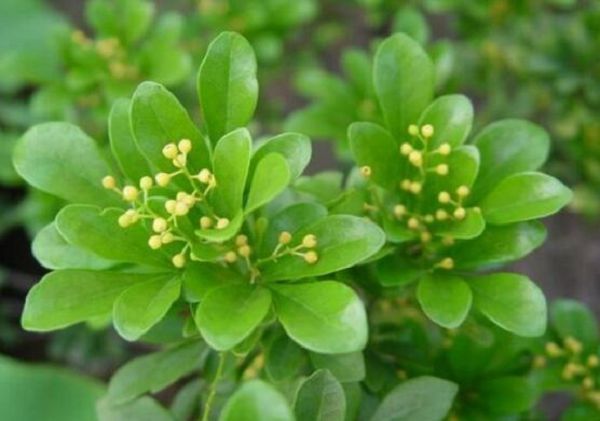
Orange jasmine (Aglaia odorata) is a very lovely plant; especially when it blooms, its fragrance fills the air, and the flowers are cute and delightful. But if you want orange jasmine to grow well, you have to master how to water and fertilize it. Watering should be based mainly on the actual climate and environment, while fertilizing should be determined by the growth condition of the orange jasmine, so neither is a fixed amount.
I. Watering Methods for Orange Jasmine 1. Spring Watering
In spring, as the weather gradually warms and temperatures rise, orange jasmine begins to enter its growth period. At this time, the amount of water needed gradually increases, but you should still water according to the weather and the wetness of the potting soil. Generally speaking, water less on cloudy days and do not water on rainy days, while on sunny days, water once every 2 to 3 days.
2. Summer Watering
Summer is the peak growth period for orange jasmine, and its demand for water is very high. You must keep moisture sufficient; generally, you need to water once a day. If the weather is too hot, you can water once in the morning and once in the evening. Besides watering, you also need to spray a water mist on the orange jasmine plant to cool it down and keep it moist.
3. Autumn Watering
In autumn, the temperature gradually turns cooler, and the growth of orange jasmine also gradually slows down. At this time, the amount of watering should be gradually reduced. After late autumn arrives, generally water once every 3 to 4 days. Do not water too much, as this can cause water accumulation in the potting soil and root rot.
4. Winter Watering
In winter, the temperature is relatively low, and orange jasmine will enter a dormant period. The watering frequency should be reduced even further, generally watering once every 10 to 15 days, as long as the potting soil is kept from becoming overly dry. When watering, you can choose noon on a sunny day to reduce the temperature difference between water and soil and lessen damage to the plant.
II. Fertilizing Methods for Orange Jasmine 1. Spring and Summer Fertilizing
The flowering period of orange jasmine is very long, lasting from May all the way to December. Spring and summer are the peak growth seasons and also the peak flowering seasons for orange jasmine, and the nutrients required are also very great. Spring is the growth period, so you can apply a dilute nitrogen fertilizer once every ten days to promote the growth of branches and leaves.
When orange jasmine enters its flowering period, it is best to apply a compound fertilizer low in nitrogen and high in phosphorus and potassium once every 15 days. You can also spray a monopotassium phosphate solution once every 15 days to promote flower bud differentiation and increase the number and quality of orange jasmine blooms.
2. Autumn and Winter Fertilizing
Although orange jasmine will also bloom in autumn and winter, its growth rate gradually slows, so when fertilizing, you should appropriately reduce the frequency and amount to avoid burning the roots. In autumn, you need to appropriately supplement phosphorus and potassium fertilizers, because the continuous flowering of orange jasmine consumes a large amount of nutrients. In early autumn, apply fertilizer water once every half month, and by late autumn it is best to change to once a month.
After winter begins, it is best not to fertilize orange jasmine, because winter temperatures are too low and orange jasmine will enter a dormant period. At this time, its root system's absorption rate of water and fertilizer will be greatly reduced, and fertilizing may cause root burn.
III. Precautions for Caring for Orange Jasmine 1. Sufficient Light
Now that you know how to water and fertilize orange jasmine, you should also pay attention to some care precautions. Orange jasmine likes light, so you must place it in a sunny spot to grow. With sufficient light, the leaves of orange jasmine can carry out enough photosynthesis, the plant will become relatively shorter and sturdier without leggy growth, the leaves will be thick and bright green, and there will be enough nutrients to promote flower bud differentiation.
2. Repot Every Year
The root system of orange jasmine is relatively well developed, so the soil used to cultivate it must have sufficient nutrients. Therefore, it is best to repot orange jasmine once every year, using a slightly larger flowerpot and fertile, loose new soil, so that orange jasmine can grow better.
3. Pinching and Thinning Branches
Orange jasmine has a very strong sprouting ability. When it grows to a certain height, you must promptly pinch the growing tips and remove the top to prevent leggy growth, and when branches grow 15 to 20 leaves, they should also be pinched. To ensure flowering, you must cut off all overly dense, overly long, and relatively weak branches, which can conserve nutrients and promote growth.