What are the cultivation methods and precautions for the dragon tree?
The dragon tree, also called the colorful dragon tree, is a small tree of the Asparagaceae family. It has a relatively wide planting area in China, and its ornamental value is very high. Now, as a small or medium-sized potted plant, it is a very popular presence in China. So how should the dragon tree be cultivated? And what do we need to pay attention to? Below, the editor brings you the cultivation methods and precautions for the dragon tree. Let's take a look!
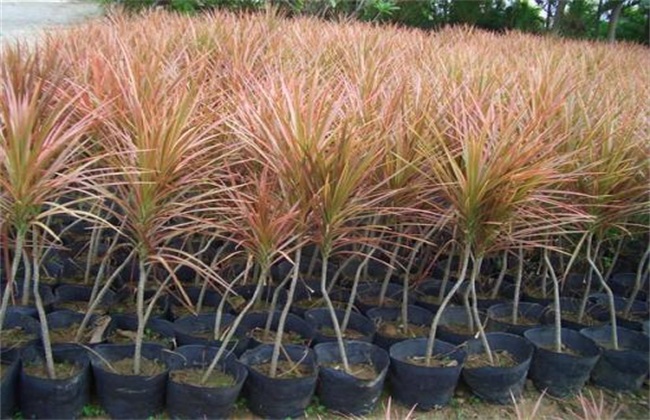
1. Cultivation environment
Before cultivating the dragon tree, we must first understand its growth habits well, and then control the cultivation environment. The dragon tree is a plant that likes light and heat, but it also has strong shade tolerance and is suitable for cultivation in semi-shade. But it is still best to maintain relatively bright light, which allows the dragon tree to grow better. Then the soil must be chosen well; the soil must ensure sufficient organic matter and strong permeability. If mixing it yourself, mix leaf mold, peat soil and river sand; it must not be too acidic or too alkaline, to avoid root rot in the plant.
2. Water and fertilizer management
When cultivating the dragon tree, we should focus on controlling the water content of the potting soil. The potting soil should mainly follow the principle of drying before watering, not too wet, and can be slightly drier. Because the roots of the dragon tree are relatively tender, you should wait until the soil is completely dry before watering, and just keep the humidity moderate; the soil must not have standing water, and the water content should not be too high. Then the amount of fertilizer should be controlled; the dragon tree does not have very high fertilizer requirements. During its growth period, when the temperature reaches 20 degrees, apply thin fertilizer appropriately, following the principle of applying more frequently but in small amounts. Usually fertilize about once a week, mainly with nitrogen fertilizer; in summer and autumn, compound fertilizer can also be applied appropriately.
3. Daily management
First, we should pay attention to managing light well and create a relatively bright environment. If there is insufficient light, the leaves of the dragon tree will lose their green color due to lack of light, becoming soft and drooping, which reduces its ornamental value. However, under strong light conditions such as in summer, it must not be exposed to direct sunlight, to avoid burning the leaves. Then we should also control the temperature well; generally, the suitable temperature for the dragon tree's growth is around 25-30 degrees. Because it is a plant native to the tropics, its temperature requirements are still relatively high. In winter, if the temperature is below zero degrees, then it should be kept warm in time to avoid frost damage.
4. Precautions
When cultivating the dragon tree, although the soil should be slightly dry, pay attention to air humidity. Air humidity should be maintained at around 80%, especially in summer and autumn; when the air is too dry, pay attention to spraying water in time to increase humidity. Then also pay attention to daily management and disease prevention and control, such as anthracnose, leaf spot disease, etc. At the same time, also pay attention to whether the soil is compacted; provide the dragon tree with soft soil, so that its leaves can normally absorb nutrients and its ornamental value can be improved.
The above is a brief introduction to the cultivation methods and precautions for the dragon tree. That is all for today's introduction. This article is for reference only, and I hope it can help everyone!