How to grow a giant spider lily? Detailed explanation of cultivation methods and precautions
The giant spider lily is originally a flowering plant native to the Indonesia region. Because of its high ornamental value, many people have grown it since it was introduced to our country, but to grow it well, there are many things to pay attention to. So how should the giant spider lily be grown? Let's take a look together.
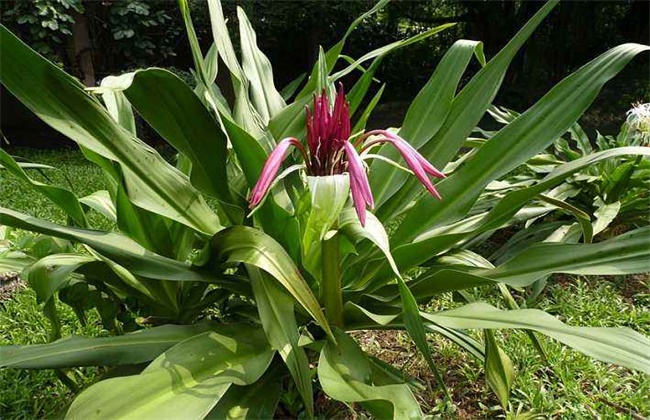
I. Cultivation methods
1. Soil requirements
The giant spider lily does not have very high soil requirements. Sandy soil is generally used for planting, because it contains more humus and is loose, breathable and well-draining. In addition, when conditions are severe, it is best to loosen the soil once a month, which is beneficial to the growth of the giant spider lily.
2. Temperature requirements
Temperature is extremely important to the growth and development of the giant spider lily. The most suitable growing temperature for the giant spider lily is between 15-20 degrees. In winter, its bulbs enter a dormant state. At this time, if the temperature is lower than 8 degrees, frost damage will occur, so attention must be paid to keeping it warm. In summer, the temperature also must not be too high, otherwise it is very prone to pests and diseases.
3. Light requirements
The giant spider lily is suitable for growing in an environment with sufficient light, but seedlings should not be exposed to direct strong light in summer, otherwise the leaves of the giant spider lily will turn yellow, greatly reducing its ornamental value. In addition, growth will be hindered by high temperatures, and it will not be able to bloom normally during the flowering period, affecting its ornamental value.
4. Watering
During the cultivation of the giant spider lily, the watering principle is to water when dry and withhold when wet. When the soil is on the dry side, it should be watered in time, while when the soil is in a moist state, it should not be watered less, otherwise water accumulation will occur and cause root rot. However, it also must not lack water, otherwise it is very prone to withering and death.
5. Fertilizing
Fertilizer is one of the main nutrients in the growth process of the giant spider lily, especially after it enters the growing period, when its demand for fertilizer is extremely strong. Generally, it needs to be fertilized once every 7-10 days. When fertilizing, the principle of light fertilizer applied frequently should be maintained. Remember not to apply concentrated fertilizer or raw fertilizer, otherwise it is very easy to burn the plant. It is recommended to dilute decomposed organic fertilizer with water and pour it along the edge of the flower pot.
II. Precautions
After the giant spider lily blooms, the spent flowers should be pruned in time, and old yellow leaves should be removed. In high temperature and humid conditions, the plant is very prone to disease, and at this time management needs to be strengthened. Summer is hot and hot, so cooling work should be done well. It can be placed in a semi-shaded environment for cultivation, and water mist can be sprayed to increase air humidity; in winter, keep it warm and it can be placed indoors to avoid frost damage to the plant.
The above is an introduction to the cultivation methods and precautions for the giant spider lily. I hope it can help you. If you want to learn more related knowledge, please follow us.