What to Do When the Leaves of the Poison Bulb (Crinum asiaticum) Turn Yellow? Causes and Solutions
The poison bulb (Crinum asiaticum) is a highly ornamental flowering plant that can be grown in pots at home or planted on a large scale as greenery, but when its leaves turn yellow due to improper care, it affects its overall appearance. So what should you do when the leaves of the poison bulb turn yellow? Let's take a look together below.
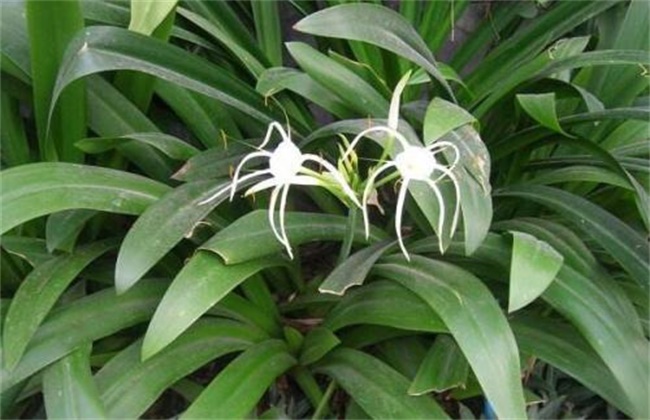
1. Improper Fertilization
The growth and development of any plant is inseparable from fertilizer, and the poison bulb is no exception, but fertilization also requires the right method and cannot be done blindly. If too little fertilizer is applied, the plant will lack nutrients and its leaves will turn yellow, but if too much fertilizer is applied, it will burn the roots, preventing them from absorbing nutrients and water, which will also cause the leaves to turn yellow.
Solution: Apply base fertilizer before planting the poison bulb, and then fertilize rarely afterward. Only after it enters the growing season does its demand for fertilizer surge, at which point it basically needs fertilizing once every two weeks, and when fertilizing, follow the principle of applying thin fertilizer frequently to ensure the plant is not burned.
2. Improper Watering
During cultivation, watering is also a point that requires considerable attention. If too much water is given and water accumulates, root rot is very likely to occur, and if too much water is given, it will also cause the leaves of the poison bulb to wither and yellow. The watering frequency differs from season to season.
Solution: The poison bulb's water needs differ from season to season. Before sprouting, the soil needs to be kept somewhat moist, but once the flower buds appear, we need to control the amount of watering at this point and try to keep the soil dry, which to some extent can prevent pest and disease damage.
3. Excessive Light
The poison bulb likes an environment with ample light, but it does not tolerate intense direct sunlight. Especially in summer when the sun is strong, if it is placed directly under the sun, it will be scorched by excessive light, causing the leaves to turn yellow.
Solution: In spring and autumn when temperatures are relatively mild, we can place it outdoors to receive sunlight all day, but in summer when the light is too intense, we had best keep it in a shady environment for care. In winter the light is weak, so appropriate artificial supplemental lighting is needed.
4. Pest and Disease Infestation
Pests and diseases are also one of the causes of yellowing leaves in the poison bulb. There are many pests and diseases that cause its leaves to turn yellow, and in severe cases they can even cause the entire plant to wither and die.
Solution: When the leaves of the poison bulb turn yellow due to pests and diseases, they need to be dealt with promptly to avoid the condition becoming more serious. When preventing and controlling them, first identify which disease it is based on the symptoms of the pests and diseases, then apply the appropriate treatment to completely eradicate the disease.
The above is an introduction to the causes and solutions for yellowing leaves of the poison bulb. We hope it helps you. To learn more related knowledge, please stay tuned to us.