Is late April suitable for planting clivia?
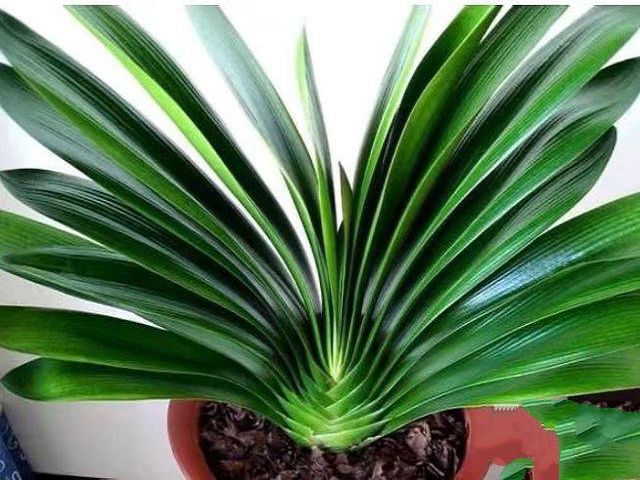
Clivia blooms from February to March and is potted from April to May. Right now spring is in full swing, the season when everything takes root and sprouts, making it the best time to plant.
Clivia growing, plainly put, is a process of nurturing roots, viewing leaves, and admiring flowers: what you nurture is the roots, what you view is the leaves, what you protect is the shape, and what you admire is the flowers. Ultimately, everything depends on the roots being plump, white, and healthy. As for appearance, vein patterns, and fan shape, those are just the self-imposed luxuries of expert growers! I am very lazy; my only goal in growing flowers is vigorous health, and in the end, whatever flower I grow and whatever fruit it bears is perfection to me.
Planting precautions
When planting clivia, the roots have fine hairs; frequently changing the soil for the plant will inevitably damage the root hairs. After potting, there is also an adaptation period: if the roots have not healed, the plant will not grow or will grow slowly. Each repotting damages a portion of the beneficial bacteria! This affects clivia's growth. Right after repotting, the roots need time to adapt; if the roots are uncomfortable, they will not grip the soil to take up nutrients, and their poor absorption capacity will cause the leaves to curl backward later.
When transplanting clivia, if the roots are damaged, it is best to pot it in moist soil. Keeping the potting soil dry before watering helps the damaged roots heal. Succulent roots all have water-storage capacity. Remember, never water heavily right after potting when roots are damaged; damaged roots soaked in poorly aerated wet soil rot easily. This is the reason novice flower growers privately message me about: after potting clivia, the leaf centers gradually turn yellow and the leaves droop limply. (I have posted little this month; I am moving and dealing with demolition, and I have to sort out my flower room! Forgive me that most invitations to answer and private messages cannot be replied to! I have even given up on the official account and Wukong's invitations to answer! Please understand, Wukong and fellow flower growers.) Therefore, when potting a new clivia with damaged roots, it is best to let it dry before watering so the roots do not rot. Of course, if the roots are intact, you can also water thoroughly after potting, but that is not as good as moist soil.
After transplanting, do not expose it to sunlight for at least 20 days to prevent dehydration and death. It is best to place it indoors in a sunny, ventilated spot. This reduces leggy growth and helps recovery. After 30 days, if the clivia leaves are firm and not soft, the potting adaptation period has passed, and it can be moved outdoors for 2 hours of morning and evening sunlight, after which normal care can resume.
Nurturing clivia roots
To make roots strong, the pot should be small, the soil must be loose and slightly dry, and phosphorus and potassium fertilizer strengthens roots; these are essential for growing clivia. Conversely: a large pot, compacted soil, and overly moist soil make succulent roots rot easily, and the roots will be fewer, thinner, longer, and weaker.
The smaller the pot, the less soil there is, and for the roots to survive they must send out many new roots to seek life and absorb nutrients; with a large pot and plenty of soil, there is no need to grow, as one close to the water gets the moon first, so why bother sending out roots to grow?