The correct way to use potassium dihydrogen phosphate on orchids
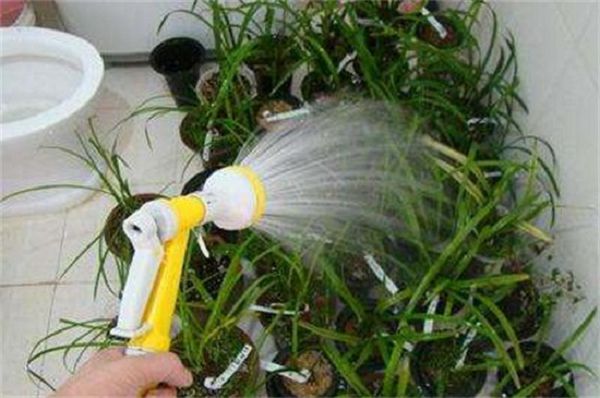
When using potassium dihydrogen phosphate on orchids, mainly use diluted weak fertilizer water; if the concentration is too high, it easily causes fertilizer burn. During the seedling stage, spray potassium dihydrogen phosphate once every half month to promote leaf growth. During the flowering period, also appropriately spray the leaves 2 to 3 times to promote the orchid's flowering effect.
How to use potassium dihydrogen phosphate on orchids
When growing orchids in pots, appropriately using some potassium dihydrogen phosphate solution can greatly promote the growth of leaves and flowers, but it is best to use a dilute solution, as this can promote the leaves' absorption of the fertilizer liquid. If the concentration is too high, it will cause seedling burn and affect the growth and development of the orchid.
During the seedling stage, according to the orchid's growth condition, spray potassium dihydrogen phosphate on the leaf surface 1 to 2 times about every half month to encourage the leaves to unfold. Afterwards, during the growth period, apply it according to the base fertilizer situation; if the base fertilizer is insufficient, water it on appropriately more to provide the nutrients needed for flower and leaf growth. This is also one of the basic conditions.
At the same time, during the flowering period, an appropriate amount of potassium dihydrogen phosphate solution can also be sprayed to promote the orchid's flowering effect. In addition, in winter, the orchid's root system grows slowly, so at this time an appropriate amount can be sprayed on the leaf surface 1 to 2 times to promote normal leaf growth and also improve the plant's cold resistance.
Potassium dihydrogen phosphate is one of the essential fertilizers for orchids. It can effectively improve the orchid's resistance and can also effectively provide the phosphorus and potassium fertilizer needed for flowering, thereby enhancing the plant's ornamental value. It also has good solubility, good effects, and is convenient to use. The plant can also absorb it more quickly, making it one of the most commonly used flowering-promoting fertilizers for flowers.