What Are the Watering Requirements for Raising Sheep? What Farmers Need to Know
Water is an extremely important part of raising sheep, so watering sheep is also quite crucial. So what are the requirements for watering sheep? Let's take a look at these issues together, and be sure to avoid them when providing water.
1. Do not let them go without water
Long-term insufficient drinking water will seriously affect the fattening results of sheep, because lack of water causes indigestion, leading to food accumulation in the sheep's stomach, which further triggers a series of diseases. When there is a lack of water, rumination also cannot proceed, and the sheep will gradually become thin due to lack of water and nutrients, and eventually die. Every day, enough water must be prepared for the sheep to drink. Water can remain in the trough, but it should be able to be drunk dry; if it is drunk dry, that indicates the water was insufficient. However, after feeding is an exception, and care should be taken to prevent the sheep from overdrinking.
2. Do not water before morning feeding
Before starting to feed forage or preparing to graze each day, do not rush to give the sheep water, because at this time the sheep's body is relatively sensitive, and giving water has a greater stimulative effect on the sheep, making it prone to illness. The best approach is to feed some fresh forage and let them chew and eat it. The forage contains moisture, which can temporarily satisfy the sheep's need for water. After they have eaten for a period of time, then provide water. This not only satisfies their need for water, but also does not cause the sheep to be stimulated and develop problems.
3. Do not feed stagnant water
This is a very important point. When stagnant water sits for a long time, some insects may lay eggs in it. These eggs cannot be observed with the naked eye. If accidentally eaten by sheep, they may become parasites, seriously affecting the sheep's safety and health. When stagnant water sits for a long time, some substances harmful to the sheep's body are also likely to appear. Eating too much may induce various diseases, so feeding stagnant water must be avoided, and these risks should be reduced as much as possible. The water provided in the sheep shed should not be left standing for too long; use it as needed and take it fresh.
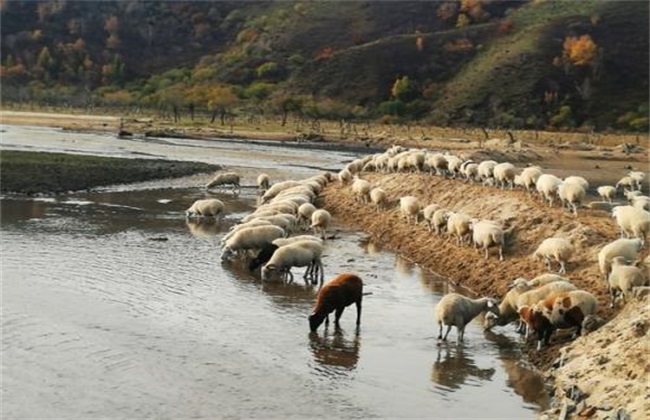
4. Provide running water during grazing
When watering during grazing in the wild, attention should be paid to these issues. First, avoid letting them drink from puddles formed by water flowing out near cultivated land, because such water carries a relatively high proportion of pesticides or chemical fertilizers, and sheep are prone to problems after drinking it. For some pits where plants are soaking in the water, avoid them as much as possible too, because these may also contain parasite larvae.
The above are the watering requirements for raising sheep. Many farmers habitually let sheep drink water freely, and as a result, when the sheep inexplicably become ill, they do not even know why. Some parasites may also have been brought back from outside in this way. For safety's sake, it is still necessary to pay attention to the watering requirements.