How to Grow Ashitaba? A Detailed Explanation of the Key Cultivation Techniques
Ashitaba is a perennial herbaceous plant in the Apiaceae family, widely distributed in regions such as Guangxi and Yunnan in China. It can be eaten as a vegetable and also has medicinal value for clearing heat and promoting diuresis, as well as strengthening the body and promoting lactation. Its flowers also have a certain ornamental appeal, which is why it is welcomed by many people. So how should ashitaba be cultivated? Below, the editor brings you the cultivation techniques for ashitaba. Let's take a look!
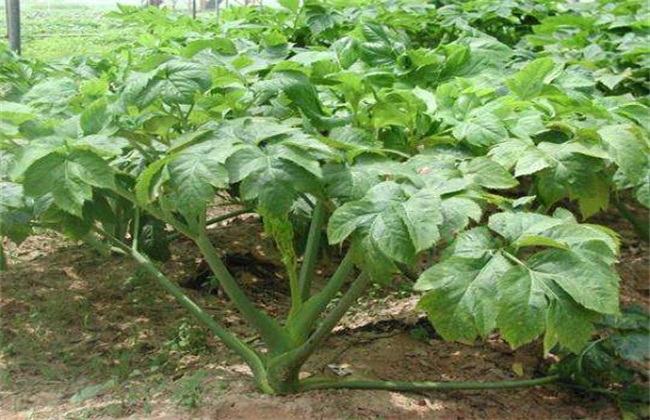
1. Site Selection and Land Preparation
Before planting ashitaba, we must first understand its growth habits. Ashitaba has relatively poor tolerance to strong light; if the light is too intense, the stems and leaves will grow too tough and the quality will decline. Therefore, we should plant it in areas with good permeability, medium fertility, and good shading performance. If the groundwater level in the planting area is relatively high, then it should be planted on raised beds. Prepare the land properly by deep plowing, do a good job of soil disinfection, and then apply sufficient decomposed farmyard manure; it is best not to use chemical fertilizers.
2. Timely Sowing
Before sowing ashitaba seeds, they should first be treated with hot water at about 50 degrees. Then soak them in cold water for about 11 hours, drain them, wrap them in a damp cloth, and place them at a temperature of about 20 degrees for germination. During the germination process, the seeds must be washed once a day, and care should be taken to spray water appropriately to maintain a moist environment. After about half a month, they can be sown. Sowing should generally be carried out in October, with planting out in the spring of the following year. After sowing, be sure to cover with a layer of fine soil, then cover with rice straw, and water appropriately after sowing.
3. Daily Management
After the ashitaba seedlings have become established and survived, the soil structure should be improved by frequent intertillage to promote the growth of the ashitaba seedlings, and during intertillage, weeding should be combined with this work at the same time. Ashitaba has a relatively high demand for water and poor drought tolerance, but it is also not tolerant of waterlogging. Therefore, we must control watering well; after planting out, the water for reviving the seedlings should be given in several applications. In winter and spring, when the temperature is relatively low, watering about once a week is sufficient, while in summer and autumn it can be done once every two days. On rainy days, drainage work should be done well to avoid water accumulation in the soil and affect the normal growth of ashitaba. Then during the growth period of ashitaba, we should also appropriately apply compound fertilizer as a top dressing, about twice.
4. Timely Harvesting
If ashitaba is cultivated for eating, then after the plants have become established and survived and produced new leaves, once they exceed about 30 cm, the petioles and leaves can be cut off for consumption. And even if it is not for eating, the new leaves should still be removed in time, otherwise it will affect the normal growth of ashitaba. When harvesting, about three old leaves should also be appropriately retained; if all are picked, the plant is also prone to dying. If it is for ornamental use, then appropriate pruning to increase its flowering rate is enough.
The above is a brief introduction to ashitaba cultivation techniques. That is all for today's introduction. This article is for reference only, and I hope it can help everyone!