How to grow Boston ivy? Detailed guide to cultivation methods and precautions
In daily life we often see green branches covering the walls of buildings and houses. This plant is what we commonly call Boston ivy. Boston ivy is relatively easy to grow, so many people plant it. So how do you grow Boston ivy well? Follow the editor to take a look at the cultivation methods and precautions for Boston ivy.
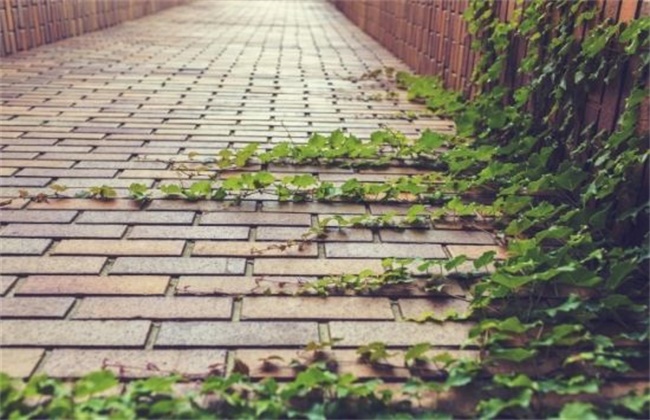
I. Cultivation methods
1. Soil
Boston ivy is not strict about soil requirements, and it can be grown in most types of soil. However, to grow it well, it is best to use loose, fertile sandy soil with good drainage. Before planting, disinfect the soil once to ensure it contains no pathogens. When planting, you can also add some base fertilizer, which can reduce the number of later fertilizations and make care simpler.
2. Temperature
Boston ivy tolerates both high temperatures and cold, and can grow in a variety of climate environments, but its most suitable growth temperature is between 15-30 degrees. In addition, during sowing and the seedling stage, note that temperature determines how quickly it takes root, so in summer keep the environment ventilated and cool, and in winter it should not be exposed to extreme temperatures.
3. Light
During cultivation, be sure to pay attention to light. Boston ivy is suitable for growing in full sun and semi-shaded environments. If it is grown in a pot, the light should not be too weak, otherwise its branches and leaves will grow spindly, the leaf color will also be relatively dull, and its ornamental value will decline.
4. Watering
Boston ivy is relatively cold-tolerant, so it should not be watered too much ordinarily. Even if it is not watered for a long time, it will not wither. However, if you want it to grow better, you also need to replenish water in time. Do not wait until the soil is completely dry before watering. Ordinarily, watering 1-2 times is enough. Each watering should soak through, but there should be no waterlogging.
5. Fertilizing
When potting and planting, you can appropriately add some base fertilizer to the soil to make it more fertile and the nutrients more sufficient. Apart from that, at other times it is enough to fertilize once a month. It is not suitable to apply concentrated fertilizer directly; it is recommended to dilute it with water and apply it along the edges.
II. Precautions
Boston ivy grows very quickly. Generally after 1-2 years it can cover a wall or support. Therefore, to ensure good air permeability for its branches and leaves, generally in spring, summer, and autumn, prune away some old branches, weak branches, crossing branches, and dense branches, so that its branches and leaves are well spaced and orderly. Boston ivy has strong adaptability and decent disease resistance, but if it is in an extreme environment it can still become infected with pests and diseases, so ordinarily pay attention to maintaining a suitable environment and strengthen care to prevent pests and diseases.
The above is an introduction to the cultivation methods and precautions for Boston ivy. We hope it can help you. If you want to learn more related knowledge, please stay tuned to us.