How to grow Wrightia antidysenterica? A full guide to cultivation methods and precautions
Wrightia antidysenterica is a shrub-type plant with elegant blooms and strong ornamental value. It is itself easy to grow and is a flower very suitable for beginners. So how should Wrightia antidysenterica be grown? What should be noted? Follow the editor and take a look.
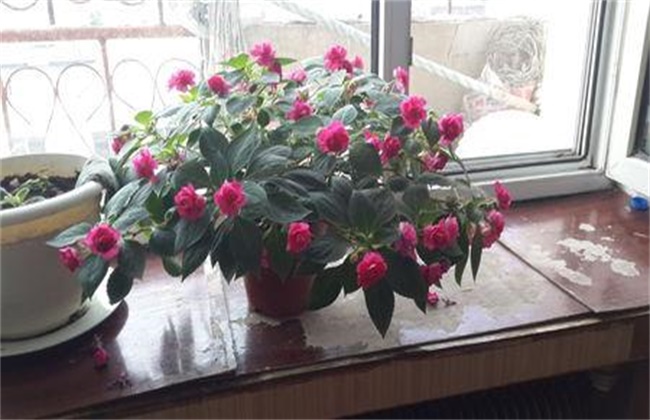
I. Cultivation methods
1. Light
Wrightia antidysenterica likes to grow in a warm environment, so sufficient light must be provided during cultivation, and in normal times full sun or half a day of sun is fine during the easy growing period. However, in summer when the light is too strong, it should be moved to a semi-shaded spot or kept indoors to avoid sunburn to the plant, which affects growth and is also unfavorable for later flowering.
2. Temperature
Wrightia antidysenterica is not particularly cold-tolerant. During overwintering, the temperature should be kept at 3-5 degrees. If the temperature is below 0 degrees, it will suffer cold damage, which is bad for the plant's growth and flowering. But at the same time, during overwintering it must not exceed 16 degrees, otherwise the plant will sprout early, causing flowers and buds to drop. Before flowering, the temperature should be kept at 10-15 degrees, which is suitable.
3. Water
When watering, follow the principle of not watering until dry, and watering thoroughly when you do. If too much water is given and the soil stays moist for a long time, waterlogging is very likely to occur, easily causing root rot in the plant. If the potting soil is too dry, water a small amount so that the potting soil gradually becomes moist and then water thoroughly, otherwise the root tips will lack water. If the amount of water suddenly increases sharply, it will cause severe bud drop.
4. Fertilizing
In spring before flowering, appropriately apply a nitrogen-phosphorus compound fertilizer 1-2 times to prevent bud drop during the flowering period, but note that the amount of nitrogen fertilizer applied should not be too much, so as to avoid growing only leaves and no flowers. And by September-October, a thin fertilizer with a relatively high phosphorus content should be applied once a month, such as chicken manure, to promote vigorous bud formation.
II. Precautions
The growth of Wrightia antidysenterica has certain requirements for soil, requiring the soil pH to be between 5-6.5. Soil that is too acidic or too alkaline, clay, and saline-alkali soil are all unfavorable to its growth and development, and the root system finds it hard to absorb. The base fertilizer must once contain elements such as phosphorus, iron, and sulfur to ensure that Wrightia antidysenterica grows more vigorously with emerald-green leaves. In addition, attention should also be paid to repotting. The fertility of potting soil is limited, so the soil needs to be changed every 1-2 years to ensure the soil is loose and breathable and to ensure better growth of the plant.
The above is an introduction to the cultivation methods and precautions for Wrightia antidysenterica. We hope it can help you. If you want to learn more related knowledge, please follow us.