What Types of Humic Acid Are There? A Detailed Guide to Application Methods
With the advancement of cultivation techniques, various pesticides and fertilizers have entered a new era. In the past, crops were mostly fertilized with chemical fertilizers, but the overuse of chemical fertilizers has made the problem of soil pollution increasingly serious, so the development of green, pollution-free fertilizers is extremely urgent. With the introduction of humic acid fertilizers, which are recognized worldwide as green food fertilizers, more and more people are starting to use them. So what types of humic acid fertilizers are there? How should they be used? Let's take a look.
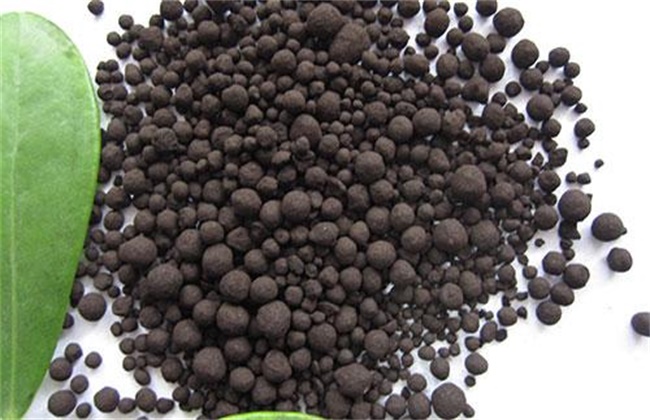
I. Types of Humic Acid Fertilizers
At present, humic acid fertilizers have been widely developed and applied, and there are many humic acid products popular on the market, such as ammonium humate, sodium humate, potassium humate, humic acid compound fertilizers, and liquid humic acid fertilizers of various concentrations. According to their sources, humic acid fertilizers can be divided into two major categories: natural humic acid and artificial humic acid. Natural humic acid can be further divided into soil humic acid, coal humic acid, water-body humic acid and mold humic acid, etc. According to their mode of formation, humic acid can be divided into primary humic acid and regenerated humic acid; according to solubility and color in solution, it can be divided into fulvic acid, brown humic acid, black humic acid, etc.
II. Application Methods
1. Seed soaking
Dissolving humic acid in water and soaking seeds can significantly increase the seed germination rate, promote earlier emergence, and enhance the seedling's rooting ability. When soaking seeds, pay attention to the concentration; the general concentration is 0.005%-0.05%, and the soaking time is generally 5-10 hours, while for seeds with harder seed coats it is generally 24 hours, such as rice and cotton.
2. Root soaking and root dipping
Before transplanting rice and sweet potato, soak or dip the roots in a 0.01%-0.05% sodium humate or potassium humate solution; after transplanting, they show faster rooting and a higher survival rate.
3. Foliar spraying
Applying humic acid fertilizer as a foliar fertilizer, spraying 2-3 times during the crop's flowering period can significantly increase the fruit-setting rate and yield. The general concentration is 0.01%-0.05%, and the best time to spray is from 2 to 4 p.m.
4. Use as base fertilizer
Using solid humic acid fertilizer as a base fertilizer gives better results than using it as a top dressing; it can both balance soil pH and is very easily absorbed by the roots. Generally, 100-150 per mu is applied; if a solution is used as the base fertilizer, a concentration of 0.05%-0.1% is suitable. It can be applied mixed with farmyard manure, either by furrow application or hole application.
5. Top dressing
During the crop's seedling stage and before heading, about 250 liters of a 0.01%-0.1% humic acid aqueous solution can be sprayed per mu, or it can be poured directly near the roots; this can promote seedling growth, strengthen seedlings, and promote growth and development.
The above is an introduction to the types of humic acid and their application methods. We hope it helps you. If you want to learn more related knowledge, please stay tuned to us.