What is the difference between microbial inoculants and microbial fertilizers
For growers, microbial inoculants and biological microbial fertilizers are both fairly familiar fertilizers. Both types of fertilizer are very beneficial to crop growth: they can kill bacteria and pests, increase crop yield and quality, and enhance crop growth capacity. So what is the difference between microbial inoculants and biological microbial fertilizers? Today, the editor will give you a brief introduction. Let's take a look below!
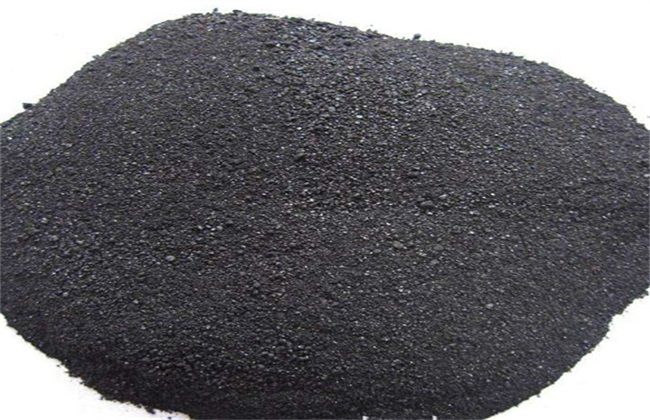
1. What is microbial fertilizer
The microbial fertilizer we commonly use in daily life is microbial fertilizer. Microbial fertilizer uses microbes as its main raw material and contains a great many active microorganisms. After being applied to the soil, through the various activities of the microorganisms, it provides various nutrients to plants, promotes normal plant growth, improves yield and quality, and at the same time can also achieve the goal of improving the ecological environment. Our country's fertilizers gradually shifted from the earliest organic farmyard manure to chemical fertilizers, but with the excessive use of chemical fertilizers, the utilization rate of chemical fertilizers has become lower and lower, and the harm to the environment has become greater and greater. Therefore, microbial fertilizer will be the main direction of fertilizers in the future.
2. What are microbial inoculants
Microbial inoculants are actually a type of fertilizer within the microbial fertilizer product category. They are mainly used to solve soil problems and improve soil structure. The emergence of microbial inoculants has also fundamentally reduced the amount of chemical fertilizers used and lowered environmental pollution. There is also an interaction between microorganisms and plants, and this interaction can significantly improve the disease resistance and stress resistance of plants. It is very beneficial to plant growth, can significantly extend the harvest period of agricultural products, enhance quality, and so on, and is very beneficial to improving planting benefits.
3. The difference between the two
The primary difference between microbial fertilizer and microbial inoculants is the different dosage. Usually, for microbial fertilizer and farmyard manure, the dosage per mu is generally about 200 kg. If microbial inoculants are used, then the dosage is far less than that of microbial fertilizer, generally 5 kg/mu. Moreover, the two are also completely different in terms of use. Microbial inoculants are referred to simply as inoculants, mainly exist in the form of formulations, and belong to a kind of small fertilizer. Microbial fertilizer and biological organic fertilizer are called microbial fertilizer, which is a kind of large fertilizer.
Moreover, because of different planting regions and different planted crops, there are also very many ways to use microbial inoculants. When applied as a base fertilizer, the dosage is kept at about 2 kg per mu, and it is applied by broadcasting when plowing. If it is a topdressing, then the dosage is kept at about 1.5 kg for topdressing. When drip irrigation and flushing application are used, it is added to traditional fertilizers for irrigation, and the residue can also be used as a base fertilizer. If it is a seed fertilizer, then it is mainly used for seed dressing.
The above is a brief introduction to what the difference is between microbial inoculants and microbial fertilizer. That is all for today's introduction. This article is for reference only, and we hope it can help everyone!