What factors affect the egg-laying rate of laying ducks?
Duck eggs have a very large market demand in our country. Although they cannot compare with chicken eggs, they are still welcomed by many people. Therefore, the scale of laying duck farming in our country is still relatively large. When raising laying ducks, the egg-laying rate is naturally the point that duck farmers care about most. So when farming, what factors affect the egg-laying rate of laying ducks? Below, the editor will give everyone a brief introduction. Let's take a look together!
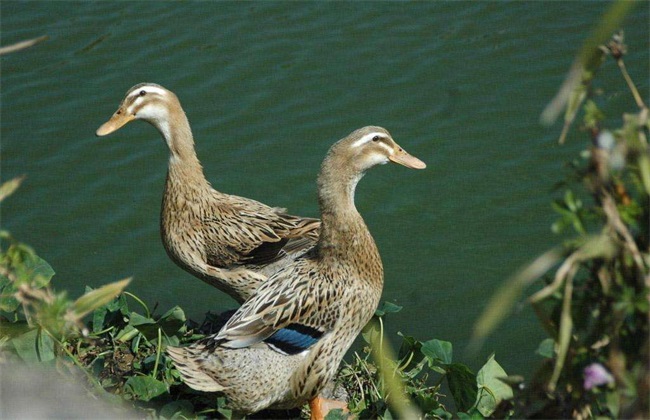
1. Breed
Breed is one of the primary factors affecting the egg production of laying ducks, and it is also a prerequisite for whether laying ducks can achieve high yields. Whether it is the egg-laying rate, cycle, production capacity, or even egg weight, all are closely related to breed. Therefore, when farming, a good breed is very critical. If the breed is selected properly, then the egg-laying rate can be significantly improved. Farming benefits can naturally increase accordingly as well, so we should choose high-yielding duck breeds suitable for farming according to our own farming conditions and techniques. This is also a key measure to ensure the egg-laying rate of laying ducks.
2. Nutrition
After laying ducks enter the laying period, their nutritional needs will rise sharply, and this is also the stage with the highest nutritional demand during the entire reproductive period of laying ducks. It is necessary not only to ensure sufficient nutrients for daily life activities, but also to fully supply energy, protein, and other nutrients essential for egg production. If nutrient levels are low during the laying period of laying ducks, then it will have a very large impact on their egg-laying rate. If nutritional balance and quantity are not met, it is impossible to achieve the goal of high and stable production, so everyone should pay more attention to this.
3. Environment
The environment has a very large impact on the growth of laying ducks, especially during their laying period. The environment includes various factors such as temperature and light, and laying ducks still have a certain demand for light. They should not remain in a dark, low-light environment for a long time, and about more than ten hours of light should be maintained every day. If light is insufficient, then it will cause a decline in the appetite of laying ducks, weakness and lack of strength, and the egg-laying rate will naturally decline as a result. Then temperature should be controlled well according to seasonal changes. In summer, cooling should be done in time, and in winter, warming and keeping warm should be done well. If the temperature is unsuitable, laying ducks are very prone to diseases such as heatstroke and colds, which seriously affect their growth.
4. Health
If laying ducks have a poor physique and are unhealthy, then wanting them to achieve high yields is basically impossible. A healthy duck body is a key factor in ensuring high yields of laying ducks. Therefore, when raising young ducks, we should do a good job in disease prevention. After laying ducks enter the laying period, strengthen duck house management, do a good job in environmental sanitation management, regularly disinfect the duck house, and maintain a good duck house environment. Only by enhancing the disease resistance of laying ducks and reducing the incidence of disease can the egg-laying rate of laying ducks be effectively improved.
The above is a brief introduction to the factors affecting the egg-laying rate of laying ducks. That is all for today's introduction. This article is for reference only, and we hope it can be helpful to everyone!