How to propagate Zamioculcas zamiifolia? A detailed guide to propagation methods
Zamioculcas zamiifolia is loved by many people for its high ornamental value and ease of care, but to grow it well, you first need to understand how it reproduces. So what propagation methods does Zamioculcas zamiifolia have? Let's take a look together.
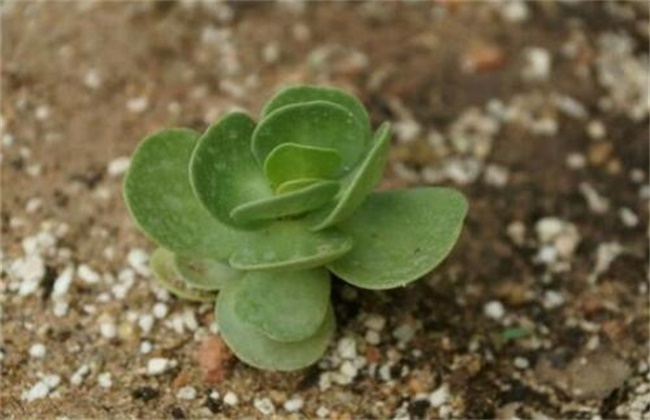
1. Division propagation
When the outdoor temperature is above 18 degrees, first take the large Zamioculcas zamiifolia plant out of its pot, remove most of the old soil, then pull it apart at the weak points where the tubers join, apply sulfur powder or plant ash to the wounds, and plant them separately in pots. When planting, do not bury them too deep; generally, bury the top of the tuber 1.5-2 cm deep. In addition, Zamioculcas zamiifolia tubers have dormant buds, so you can cut a large tuber into small pieces each with 2-3 dormant buds; after the wounds heal, bury them in moist fine sand, and once the small tubers grow into independent plants, plant them in pots.
2. Cuttings
Because the survival rate of Zamioculcas zamiifolia cuttings is not high, the timing of cuttings needs to be chosen well. It generally grows faster in a 20-32 degree environment, so for cuttings, spring or early summer is usually chosen, as this gives a high survival rate and makes it very easy to grow into seedlings. You can use a single small leaf, a branch with 1 leaf axis, or a single leaf axis as the cutting material; this way rooting is fast and it is relatively easy to form large tubers. For cuttings, always choose a substrate with good permeability; generally, a mix of river sand and vermiculite can be used, and the substrate needs to be sterilized before cuttings. The insertion depth is generally one third or one half of the cutting length; after inserting, spray with water and place it in a semi-shaded spot.
3. Other methods
Besides division and cuttings, another relatively common method is sowing, but sowing is still used relatively little compared with cuttings, because Zamioculcas zamiifolia rarely sets fruit after flowering, the seeds are not easy to collect, and the germination rate is low, so this method is not recommended. Another method is tissue culture: the method is to culture the explants of Zamioculcas zamiifolia in vitro, where they can first differentiate into callus tissue, then grow clustered shoots, and after rooting they can grow into complete plants, but this method has relatively high technical requirements and is suitable for excellent varieties, not for home propagation.
The above is an introduction to the propagation methods of Zamioculcas zamiifolia. We hope it helps you. To learn more related knowledge, please stay tuned to us.