When is the flowering season for orchids? A detailed explanation of orchid blooming times
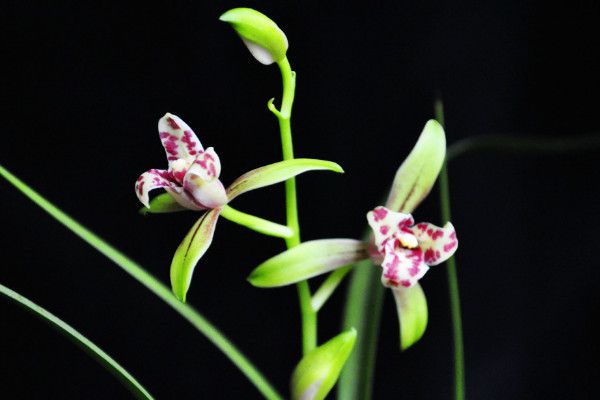
Orchids bloom all year round. Divided by month, Cymbidium goeringii (spring orchid) blooms from January to March, Cymbidium faberi (Faber's cymbidium) blooms from March to May, Cymbidium ensifolium (sword-leaf cymbidium) blooms from May to October, Cymbidium kanran (cold orchid) blooms from November to January, and Cymbidium sinense (Chinese cymbidium) blooms from December to February. When caring for orchids during their flowering period, you need to pay close attention to changes and effects in light, temperature, water and fertilizer.
1. When is the flowering season?
The flowering seasons of orchid varieties are spread continuously across all 12 months of the year, though the blooming times differ among varieties. The more common Cymbidium goeringii (spring orchid) blooms from January to March, Cymbidium faberi (Faber's cymbidium) blooms from March to May, Cymbidium ensifolium (sword-leaf cymbidium) blooms from May to October, Cymbidium kanran (cold orchid) blooms from November to January, and Cymbidium sinense (Chinese cymbidium) blooms from December to February, linking all 12 months together.
2. Flowering season and climate
Climate has a fairly large effect on the flowering season. The flowering season generally falls before the rainy season, when it is late in the dry season; at this time insects actively spread pollen, and the flowers can also avoid damage from overcast and rainy weather.
3. Care during the flowering season
Care during the flowering season is very important. In daily watering, avoid water getting into the bud sheaths and causing rot, and after the buds break, watering should be controlled. Usually spray water mist more often to raise air humidity, and place the orchids more often in a ventilated, airy environment to receive sunlight.
4. Pruning and removing buds
If there are too many flower buds on the plant's branches, they should be appropriately removed to ensure sufficient nutrients during the flowering season and to make the best use of them. During cultivation, if flower scapes appear, they should be cut off in time, otherwise they will consume nutrients and affect sprouting.