What to pay attention to after the foal is transported home
In many places, due to the shortage of foals, they can only be transported back from other places, but there are many problems in long-distance transport that cannot be dealt with in time. Donkeys that have undergone long-distance transport may have some health risks. Let's take a look below at what issues to pay attention to after the foal is transported home.
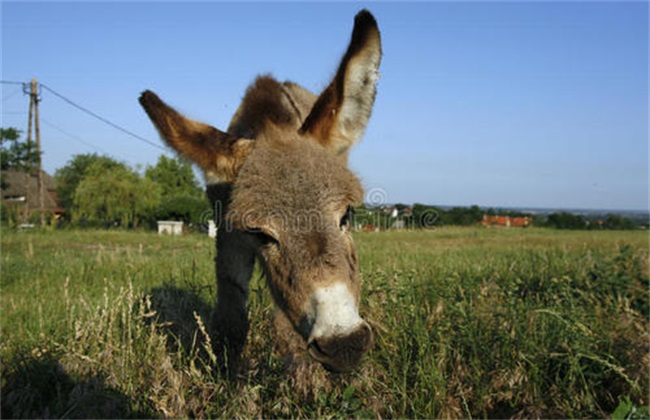
1. Unload the vehicle properly
The space in the vehicle is very small, and the foal cannot move around during transport, which means that when it is time to unload, the foal is very likely to jump down by itself when you open the door, because at this time the foal will be relatively restless. But the height of the transport vehicle is generally not low. If the foal jumps down directly at this time, it is very easy to cause hoof injuries and problems. So you must prepare a board for getting off the vehicle, and open a small gap to let the foal walk down slowly, so as not to suffer a loss in this respect. Many people have had this problem.
2. Appropriate exercise
When the donkey gets down, do not put it directly into the pen. Guide the donkey to an activity area and let it walk freely for a period of time, so as to avoid being stimulated by the environment. The foal basically cannot move in the vehicle. Free walking after arriving at the destination is helpful for the foal to relieve its own bodily functions. Secondly, you can take the opportunity to let it adapt to the environment, so that the unfamiliar environment does not make the foal restless and anxious, because the foal adapts to the environment faster when it is relaxed. Generally, a duration of about 1-2 hours is enough.
3. Feed in time
When the foal has relaxed, prepare to feed it. Feeding can generally begin about 1-2 hours after getting off the vehicle. Give water first, then food. Choose warm water for the water as much as possible, and add some medicine that helps the foal relax into the water. When feeding, choose fresh green grass as much as possible. Do not rush to feed dry material and feed, as feeding at this time is not conducive to digestion. Do not feed too much, otherwise the foal will find it relatively difficult to digest, and formal feeding will still be needed later.
4. Pay attention to inspection and prevention
After the foal arrives, observe its physical condition more. Some foals may show signs of stress, and these are all things that need to be watched carefully. Secondly, it is best to check whether there are any changes on the foal's body, especially after eating or drinking. When the foal itself shows no abnormalities, also check whether there are parasites. Finally, you can wash and disinfect the foal, because you yourself do not know what the external foal is carrying, and this can reduce the chance of it bringing germs into the pen.
The above are some of the things everyone needs to pay attention to after buying a foal back. Compared with adult donkeys, foals are not as well developed in all aspects, so they need to be cared for more carefully.