What to Do When Tulip Leaves Turn Yellow? Causes and Solutions
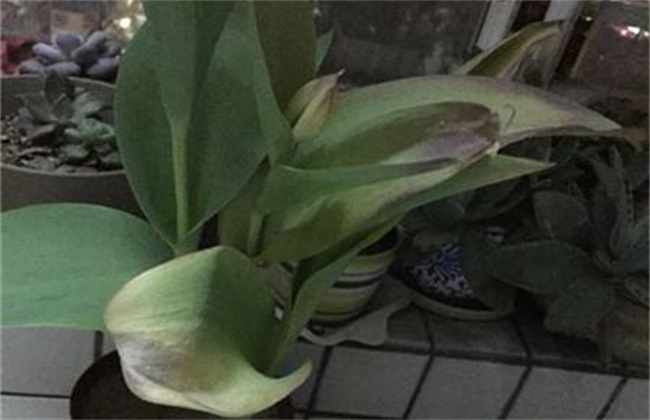
Tulips are a perennial herbaceous plant of the Liliaceae family, with a very high reputation in China and a highly popular flower. They are basically distributed in all regions, and tulips have very high ornamental value as well as certain medicinal value. However, many people often encounter the phenomenon of yellowing leaves when growing tulips. So what should be done when tulip leaves turn yellow? Let's take a look below!
1. Control lighting
Light is very important for the growth of tulips. Normal growth of tulips requires a large amount of light. If there is insufficient light, it will have a great impact on the growth of tulips. It can easily lead to poor growth of tulips, causing various adverse phenomena such as bud drop, wilting and yellow leaves. It will also shorten the flowering period of tulips. Therefore, when planting tulips, we should pay attention to maintaining a good lighting environment, promoting photosynthesis in tulips, and providing sufficient light for tulips. However, it should be noted that light should not be too strong either. In strong light environments such as summer, proper shading work should also be done.
2. Reasonable fertilization
Fertilizer is also indispensable for the growth of tulips. Tulips are a flower with relatively large nutritional needs. Not only should sufficient base fertilizer be applied before planting, but topdressing should also be done during their growth process. Base fertilizer is generally mainly decomposed farmyard manure. After entering the vigorous growth period of tulips, nitrogen, phosphorus and potassium fertilizer should be applied about three times a month. During the flowering period, topdressing should be stopped. If fertilizer is insufficient during the growth period of tulips, the plants will show wilting and yellow leaves due to the lack of various nutrient elements, especially phosphate fertilizer, so everyone must pay close attention.
3. Proper watering
During the growth of tulips, although water is also an indispensable substance. But when watering, we must pay attention to controlling the amount of water, and watering must never be excessive. If too much water is given, the soil will become waterlogged, causing the roots to be unable to breathe and leading to various phenomena such as root rot. Therefore, the leaves will also turn yellow due to lack of nutrients and water. However, within 7 days after planting, the demand for water is still relatively large, so more watering is needed. After the plants sprout, the amount of watering should be gradually reduced, especially during the flowering period, when water must never be excessive. But it should not be too dry either, as being too dry will also delay the growth of tulips.
4. Temperature regulation
Tulips are very sensitive to temperature changes. Tulips have strong cold resistance, but they like to grow in a warm environment. The temperature should not be too high. If during planting the temperature exceeds 22 degrees, the growth rate of tulips will drop significantly, and yellow leaves will gradually appear. Therefore, when planting tulips, we must pay attention to controlling the temperature. If yellow leaves are caused by excessively high temperature, then ventilation should be carried out in time, and a cool environment should be created, then water should be slowly sprayed on the leaves. Especially after the temperature exceeds the suitable range for tulips, water should be sprayed around the plants in time to cool them down.
The above is a brief introduction to what to do when tulip leaves turn yellow. In addition to the above, we should also do a good job in pest and disease prevention and control as well as daily management work such as ventilation, focusing on prevention to reduce the phenomenon of yellow leaves. That is all for today's introduction. This article is for reference only. Thank you for your reading and support.