What are the advantages of raising mallard ducks? A detailed explanation
The mallard is a relatively common duck species in China, and also a very popular meat duck breed. It has very large market demand both domestically and abroad. Mallard meat not only has very good taste and nutrition, but also has certain medicinal value. Therefore, the farming area is expanding every year. So what exactly are the advantages of raising mallard ducks? Below, the editor brings you the advantages of raising mallard ducks. Let's take a look!
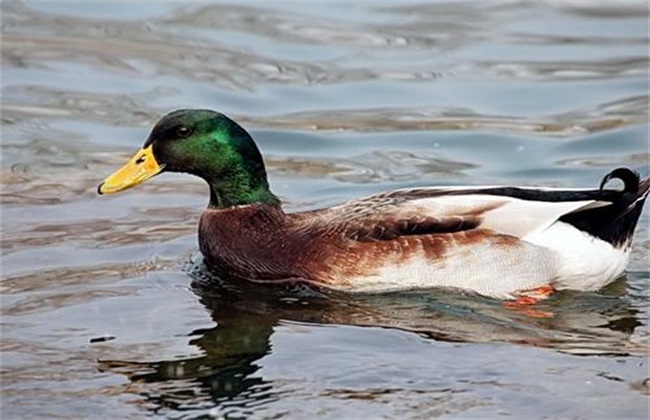
1. High survival rate and strong adaptability
The mallard was originally a wild duck, so it has very strong adaptability and can be raised either on dry land or in water. It has strong cold tolerance and is not very strict about environmental requirements, so it can also achieve good farming benefits in the north. Also because of the mallard's strong adaptability, its survival rate is very high. Compared with domestic ducks, even if mallard ducks receive no vaccine disease prevention work from hatching until they are ready for market, their survival rate can still reach above 95%.
2. Low cost and high returns
The feeding cost of mallard ducks is relatively low. Professional data surveys have shown that during the period from hatching until the adult duck is ready for market, each mallard duck consumes about 5kg of feed, and the cost of raising one is about 15 yuan. The farming method is simple. Moreover, the mallard grows very fast, and its growth-to-market cycle is also relatively short. Generally, after about 70 days of raising, it can be sent to market, and its body weight can reach about 3 jin. The current market price of mallard ducks is very considerable, with an average market price of around 25 yuan, and the profit per duck can reach 10 yuan, giving a high return rate.
3. High feed utilization rate
As just mentioned, the mallard has very strong adaptability, so it also has a wide feeding habit and strong tolerance for coarse feed. Under the same good feeding environment, the growth speed and meat-to-feed ratio of mallard ducks are far better than those of domestic ducks. The meat-to-feed ratio can even reach about 1:3, which is welcomed by many people. The mallard not only has a high feed utilization rate, but its average feed consumption per duck is also far less than that of domestic ducks. In addition, it has a broad consumer base, so it is now suitable for farming in many regions.
4. Good reproductive performance
When raising mallard ducks for breeding, their sexual maturity time is very early. Therefore, this also means early egg laying. Under normal circumstances, mallard ducks can begin laying eggs at 5 months of age, and the egg-laying period in the whole year can reach as many as 9 months. When farming in southern regions, if the mallard ducks are hatched in spring, then they can begin laying eggs in October of that same year, and they will not even stop laying in winter. They can continue laying eggs until June of the following year, with annual egg production reaching about 130-140 eggs, and the fertilization rate of breeding eggs can also reach 90%, or even higher.
The above is a brief introduction to the advantages of raising mallard ducks. That is all for today's introduction. This article is for reference only, and I hope it can be helpful to everyone!