How to grow Daphne odora? Cultivation methods and precautions
Daphne odora is a famous traditional flower in China, with bright colors, a rich fragrance, a long blooming period and extremely high ornamental value, and it is deeply loved by everyone. Many people grow it in their daily lives. Below, let's take a look together with the editor at the cultivation methods and precautions for Daphne odora.
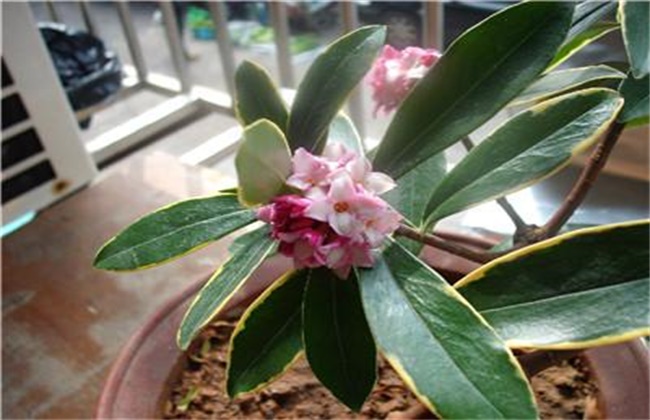
I. Cultivation methods
1. Soil
Daphne odora prefers fertile, loose soil and fears heavy, poor soil, so when growing it you should use slightly acidic sandy soil, such as leaf mold rich in humus, garden soil, peat soil, etc., generally mixed in a ratio of 4:4:2.
2. Light
Daphne odora prefers a weak-light environment and fears strong light, so it is usually not grown in full sun. In summer, pay attention to proper shading to avoid sunscald. In spring before budding, it can receive full sun, which can make the branches sturdy and the flower colors bright. At other times, it can be maintained in a semi-shaded environment with scattered light.
3. Watering
The leaves of Daphne odora have a lot of waxiness, so evaporation is low, and because it is not tolerant of moisture, it should not be watered too much or too little at ordinary times. Generally, just follow the principle of watering when dry and letting it dry between waterings. Water thoroughly when it sprouts in spring, then water thoroughly again after the soil dries out, and repeat this cycle until summer.
4. Fertilizing
Proper fertilizing can make Daphne odora's flower color deeper, but it does not like heavy or concentrated fertilizer. Generally, apply a diluted, decomposed liquid fertilizer once a month. Apply a diluted fertilizer solution once before or after flowering. Fertilizing should be paused in winter and summer.
5. Repotting
Generally, repot once every 2 years, as this can prevent the soil from compacting. Repotting and transplanting should be done in spring before the new buds have sprouted. To repot, first take the plant out of the pot, remove the soil from the outer layer of the root system, then choose fertile soil again and pot it. After repotting, water thoroughly and place it in a shady place for half a month, after which normal care can be resumed.
6. Pruning
During the growing period, prune appropriately, mainly removing weak branches and dense branches. If infected by pests or diseases, they also need to be pruned off in time. In addition, after the flowers fade, prune off the spent flowers and branches to reduce nutrient consumption. If root rot is found when repotting, prune off the rotten roots in time.
II. Precautions
The soil must be disinfected before use. It can be soaked in formalin solution and then dried, or exposed to the sun for 1-2 days, which can also give an excellent sterilizing effect. During fertilizing, avoid letting the liquid fertilizer touch the leaves. Before fertilizing, the soil should be kept slightly dry, otherwise the soil will become too wet. The fertilizer should be decomposed, and concentrated fertilizer should not be used, otherwise it will burn the roots.
The above is an introduction to the cultivation methods and precautions for Daphne odora. We hope it can help you. If you want to learn more related knowledge, please follow us.