How to grow white magnolia: apply light fertilizer frequently, never too concentrated
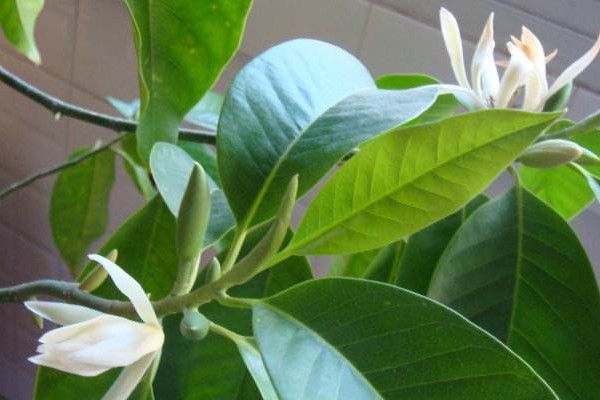
White magnolia (Michelia alba) generally blooms in summer and autumn, with a long flowering period. When in bloom it is pure white and fragrant, and its leaves are deep green, making it a favorite of many flower lovers. Fertilizing white magnolia requires frequent applications of light fertilizer; too concentrated a dose will instead harm the plant.
How to grow white magnolia
1. Light conditions
It loves light, so every year in March and April the white magnolia needs to be moved outdoors to a sunny spot, ensuring at least 6 hours of sunlight per day. In summer, when temperatures are high and the sun is intense, it should be placed in tree shade or otherwise sheltered at noon or in the afternoon, to avoid sunburn damage to the branches and leaves.
2. Moderate watering
White magnolia should not be watered too frequently or too much. Generally, watering should moisten the soil thoroughly in one go; when the soil is slightly dry there is no need to water. It is best not to water every day, but you can appropriately spray water on its leaves, which maintains moisture while also removing dust from the leaves. In summer, water 3~4 times a month; generally, seeing the white magnolia's leaves droop is the best time to water.
3. Choosing soil
White magnolia likes loose, fertile soil that is highly breathable and rich in humus. It cannot be planted in alkaline or heavy clay soil, otherwise it may stop growing or even die because it cannot absorb nutrients. You can add some granular soil of varying sizes to the soil to help with water drainage and air permeability.
4. Fertilizer and water management
Every year in May and June or in July and August is its growing season. At this time, apply a flower fertilizer to the white magnolia about every half month, and a nitrogen-phosphorus-potassium compound fertilizer can be used for application. When fertilizing, apply light fertilizer frequently; overly concentrated fertilizer will cause fertilizer burn and scorch the plant's roots.
5. Temperature management
White magnolia is not cold-tolerant. Except in some relatively warm regions, in winter it must be cared for in a warm indoor space, and the lowest room temperature should be kept above 5°C. The daytime room temperature should be maintained above 12°C, while at night it must not be lower than 6°C, otherwise it is prone to damage from low temperatures, slowing its growth rate.
6. Pest and disease control
A common pest is the red wax scale, which sucks the sap of the flowers, and its excrement can also cause the plant to contract sooty mold, forming a layer of black mold on the leaves and turning the whole plant black, affecting flowering. In winter or spring, prune off the pest-damaged branches along with regular pruning, and at the same time spray the places where the insects hatch with a 1000-fold dilution of phosmet emulsifiable concentrate, spraying 3 times in succession.