What care methods make the white orchid (Michelia alba) bloom more
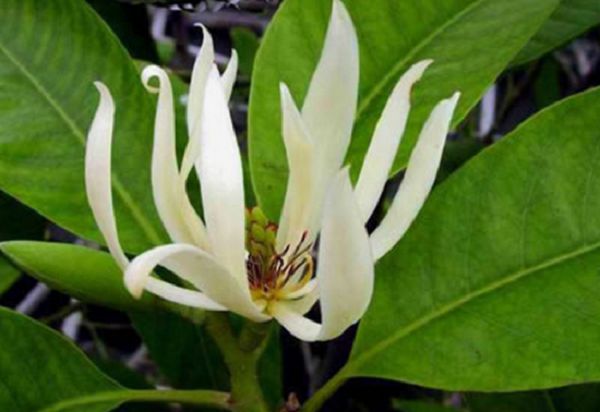
To make the white orchid bloom more and bloom well, you should normally strengthen its care and management. The white orchid likes warmth and fears cold, likes light and fears smoke, and tolerates neither shade nor drought nor waterlogging. Potted plants need good drainage, and the environment should have ample sunlight with air circulation that is not dry. Before moving it outdoors in spring, it needs repotting; when repotting, do not trim the roots, and keep the original root fibers. The growing medium is best as a slightly acidic sandy loam rich in humus, with a small amount of base fertilizer added. After repotting, place it in a shady spot to recover, then place it in a sheltered, sunny spot on a balcony or in a courtyard for care, with at least 4 hours of light per day.
In addition, you also need to master the following key points:
① Leaf picking and pinching. Pick leaves once before and after moving it outdoors, removing all the old leaves and leaving only a few leaves on the branch tips, to encourage new branches and leaves. After each flower harvest, pick leaves appropriately to suppress vegetative growth and encourage flower buds to form. During the growing period, pinch 3 times: the 1st time after the flowers fade, to encourage flower buds and produce more buds; after that, pinch 2 more times, so that the flowers are abundant and bright and bloom continuously.
② Fertilizing. From early May to the end of September, during the peak blooming period, follow the principle of frequent light fertilizing and strengthen fertilizer and water management: apply 1 dose of well-rotted soybean cake fertilizer liquid every 3-5 days, and apply 1 dose of alum fertilizer water every 7-10 days, alternating the two fertilizers. Before flowering, also apply 1-2 additional doses of quick-acting phosphorus and potassium fertilizer, which can keep the white orchid's fragrance coming continuously.
③ Watering. The potting soil should not be too wet; in spring, do not water too much, and keeping the potting soil moist is best. In summer, during the growing period, prevent dryness to avoid the leaves scorching. In autumn, water slightly more than in spring, and it is best to water thoroughly each time; in late autumn, gradually reduce the frequency of watering. In the rainy season, drain away standing water to prevent root rot and yellow leaves.