What are the key management points for laying hens before they start laying?
Chicks hatched in early spring begin laying continuously around September to October, and the pre-laying management of new laying hens directly affects their egg production, so farmers should pay special attention to pre-laying management of laying hens in order to increase egg production and boost profits. Let's take a look at the key points for pre-laying management of laying hens below.
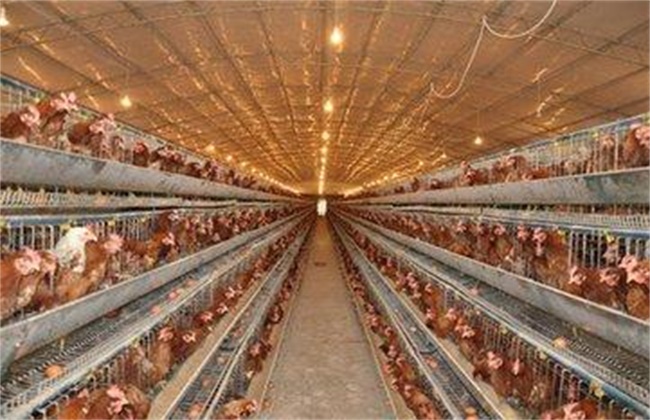
1. Timely and reasonable flock preparation
Transferring the flock is a turning point in the life of laying hens. Generally, at 18-20 weeks of age, about 2 weeks before they are about to start laying, laying hens can be moved into a disinfected laying facility for rearing. This gives the hens an adjustment period to become familiar with the new environment and increase egg production; otherwise, laying may be delayed and egg production affected. Laying hens are quite sensitive to temperature, so pay attention to temperature changes when transferring the flock. It is recommended to transfer the flock when the temperature difference is small, and to finish the transfer in as short a time as possible. Two weeks before transfer, the flock should be dewormed and vaccinated once. Before transfer, a certain amount of sedative should be fed to keep the flock calm. Transfer actions should be gentle and precise so as not to injure the hens, minimizing stimulation to them as much as possible.
2. Reasonably adjust the daily ration
Generally, growing hens only need 14% protein in their feed, while laying hens need at least 16%-18% protein in their daily ration. Therefore, after the flock is transferred, the feed should be adjusted promptly, changing growing hen feed to laying hen feed, and an appropriate amount of vitamins and minerals should be added to ensure the nutrients laying hens need. For hens that are too fat, the amount fed should be appropriately reduced and exercise increased, so that being overweight does not affect laying; conversely, for hens that are too thin, after identifying the cause, timely targeted measures should be taken so they can quickly gain weight and start laying as soon as possible.
3. Reasonably adjust work
Feed with high nutrition and short lighting time can also make the hens too fat and affect laying. Therefore, when changing the daily ration after transferring the flock, the lighting should also be adjusted appropriately, and the lighting time should be gradually extended. Generally, starting from 18 weeks of age, extend the lighting time to 12 hours; after 21 weeks of age, extend the lighting duration by 0.5 hours per week until it reaches 14-16 hours, and it should not exceed 17 hours. Too long a lighting duration can cause physiological disorders in laying hens, thereby affecting laying.
The above is an introduction to the key management points for laying hens before laying. We hope it helps you. To learn more related knowledge, please stay tuned to us.