How to Repot a Polyscias fruticosa? Detailed Methods and Precautions
Polyscias fruticosa is a very beautiful foliage plant, with deep green, verdant and glossy leaves, very suitable for growing at home. However, during the growing process it needs to be repotted, as this promotes good root development and makes its plant shape more attractive. So how should Polyscias fruticosa be repotted? Let's take a look together.
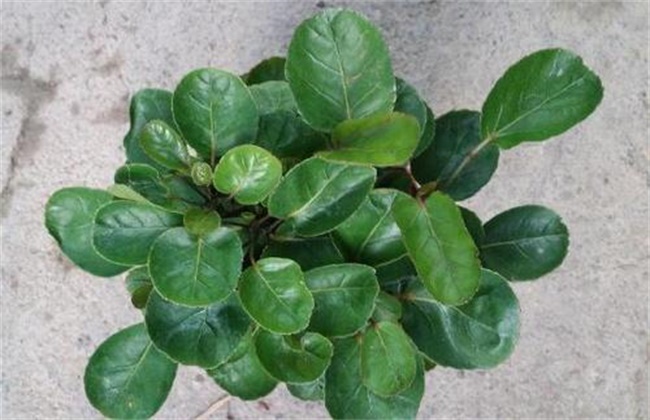
I. Repotting Methods
1. Removing from the pot
The first step of repotting is removing the plant from its pot. Take the Polyscias fruticosa out of its original pot. Stop watering 1-2 days before removing it from the pot, keeping the soil slightly dry, so that the pot and soil separate. Then remove the roots after taking it out of the pot; if there are rotten roots, prune them off promptly, then soak the roots in potassium permanganate solution to disinfect them.
2. Choosing a pot
The size of the pot is chosen according to the height and size of the plant. Generally, a slightly larger pot is sufficient; a pot that is too large is not conducive to watering and fertilizing.
3. Preparing the substrate
For the growth of Polyscias fruticosa, the soil should be loose, fertile, sandy soil rich in humus, preferably slightly acidic or neutral soil. You can also mix garden soil, leaf mold, vermiculite and perlite, and then add some base fertilizer.
4. Potting and planting
Then place some tiles in the pot for drainage, spread a 2-3 cm thick layer of base fertilizer, cover it with soil, and replant the prepared plant, avoiding direct contact between the roots and the fertilizer. After planting, firm the soil, then place it in a semi-shaded environment with plenty of scattered light.
II. Precautions
Right after repotting, water thoroughly to keep the soil moist but not waterlogged. After that, do not water frequently; wait until the soil turns pale before watering, as overwatering can easily cause root rot. After repotting, never place it in direct sunlight, because the newly planted Polyscias fruticosa is quite fragile, and otherwise its leaves can easily turn yellow and dry. Place it in an environment with plenty of scattered light, and slowly increase the light once the roots have settled.
The above is an introduction to the repotting methods and precautions for Polyscias fruticosa. We hope it helps you. To learn more related knowledge, please follow us.