What are the cultivation methods and precautions for Tillandsia?
Tillandsia is small, delicate and beautiful, with a long flowering period. It is an excellent plant for home cultivation and beautifying rooms, and is extremely suitable for potting on coffee tables and balconies, with very high ornamental value. So how should Tillandsia be cultivated? And what precautions are there? Let's take a look together.
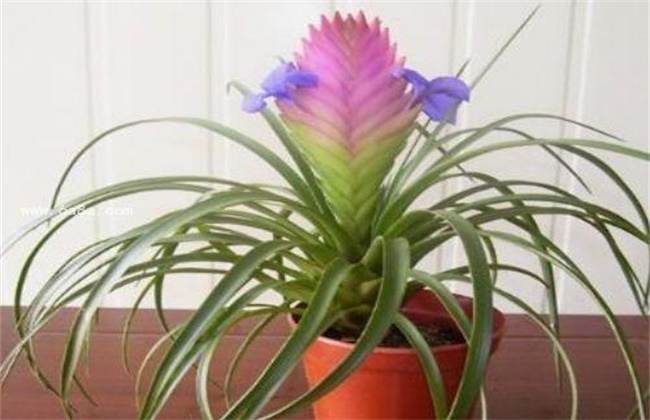
I. Cultivation methods
1. Suitable temperature
Tillandsia likes to grow in a warm environment and is quite sensitive to temperature. The most suitable growth temperature is between 16-28 degrees. It is not cold-tolerant, so in winter at low temperatures, cold protection and warmth measures need to be taken, and care should be taken to keep the temperature above 10 degrees to avoid cold damage caused by low temperatures.
2. Proper watering
Tillandsia has a relatively high demand for water, especially during the vigorous growth period. Watering should be done frequently, generally once every 2-3 days, and at the same time spray water to keep the air and potting soil moist and promote root growth. In winter, root activity is low, so water less, and be careful not to let water accumulate. Also note that the water temperature should not be too low.
3. Sufficient light
Tillandsia likes to grow in a bright environment. It is best to place it in a sunny position, which can promote leaf photosynthesis, help flower bud differentiation, and promote the plant to bloom.
4. Reasonable fertilizing
During the growth period, apply a nitrogen-phosphorus-potassium compound fertilizer once every half month, and at the same time spray potassium dihydrogen phosphate foliar fertilizer, which can promote root absorption and growth and help the branches and leaves flourish and grow robustly.
II. Precautions
In summer, because the light is relatively strong, it is best to place it in a semi-shaded, well-ventilated environment, which can avoid scorching of branches and leaves. In addition, when fertilizing, be careful to keep it away from the roots, and do not apply concentrated fertilizer or raw fertilizer, so as to avoid fertilizer burning the roots. After the flowering period of Tillandsia, its flowers will gradually fade. At this time, the faded flowers and dead branches need to be pruned in time, which can make it look more beautiful. This can not only reduce nutrient consumption, but also promote the growth of new branches and lay a solid foundation for flowering in the coming year.
The above is an introduction to the cultivation methods and precautions for Tillandsia. We hope it can help you. If you want to learn more related knowledge, please follow us.