Detailed Explanation of Key Points in White-Feathered Broiler Rearing and Management Techniques
White-feathered broilers are now one of the most popular broiler breeds on the market, and they are basically raised in every part of our country. Moreover, as the market demand for chicken continues to expand, the farming area for white-feathered broilers is also growing larger and larger. When raising white-feathered broilers, rearing and management work is very important. So how should white-feathered broilers be reared and managed? Today, the editor will give you a brief introduction. Let's take a look below!
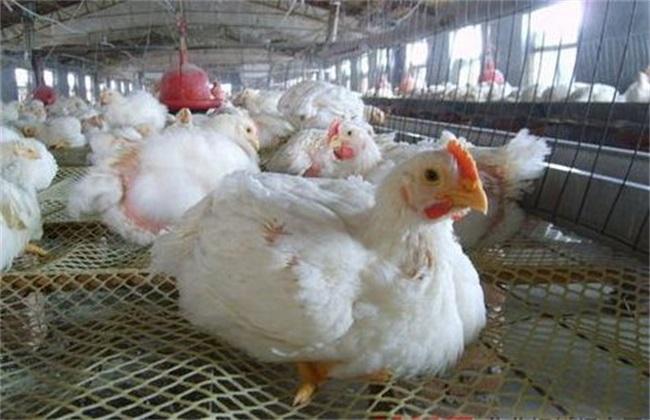
1. Key Points of Rearing
During the growth process of white-feathered broilers, their demand for nutrients is relatively high. Therefore, feed supply must ensure sufficient nutrition and an appropriate ratio to promote the growth of white-feathered broilers. When choosing feed, it should be adjusted according to the growth stage of the white-feathered broilers. This is because the nutritional needs of white-feathered broilers differ at each stage. For example, in the early stage of raising white-feathered broilers, the demand for protein is the greatest. In the early stage, a large amount of protein must be supplemented to improve the meat quality of the white-feathered broilers and maintain nutritional balance. In the later stage, white-feathered broilers need a large amount of energy to improve their own disease resistance, so everyone should pay close attention to this.
2. Ventilation Management
When raising white-feathered broilers, ventilation work is very important. Ventilation is mainly to create a good growing environment for the white-feathered broilers. It improves the air quality inside the chicken house, removes dust, ammonia and other harmful gases from the house, and reduces the content of germs and pathogens in the house, thereby lowering the incidence of disease in white-feathered broilers. Moreover, reasonable ventilation can also reduce the humidity inside the house and keep the chicken house in a dry environment. It can also better regulate the temperature inside the house and avoid excessive local temperature differences in the chicken house, which would harm the growth of white-feathered broilers.
3. Daily Management
For chicks that have just broken out of the shell within about seven days, they should be promptly familiarized with the surrounding environment, the work of providing water and starting feed should be done well, and the light intensity should be increased. Then after seven days, the light intensity can be gradually reduced. Appropriate dim light can keep the flock in a relatively quiet environment, which is very beneficial for fattening. When the chicks drink water, attention should be paid to controlling the water temperature, which should be controlled at around 25 degrees. Attention should also be paid to regularly testing the drinking water to check whether the microbial indicators in the water exceed the standard, so as to prevent drinking water contamination from causing diseases in the flock and harming the growth of the white-feathered broilers.
Then we should also pay attention to adjusting the rearing density inside the chicken house. The standard should be to maintain a good living environment. When adjusting the rearing density, it should be based on the structure of the chicken house, the rearing equipment, and the age in days of the white-feathered broilers. The rearing density must never be too high, otherwise it will seriously affect the growth of the white-feathered broilers and reduce farming benefits. Finally, we should also pay attention to hardening the floor of the chicken house. If it is not hardened, then the dampness-returning phenomenon inside the chicken house will be relatively serious, which will also affect the growth of the white-feathered broilers. Moreover, a hardened floor is also very beneficial for disinfection of the chicken house, daily management and other work.
The above is a brief introduction to the rearing and management of white-feathered broilers. That is all for today's introduction. This article is for reference only, and I hope it can be helpful to everyone!