What to do about root rot in clivia? White liquor can be used for disinfection
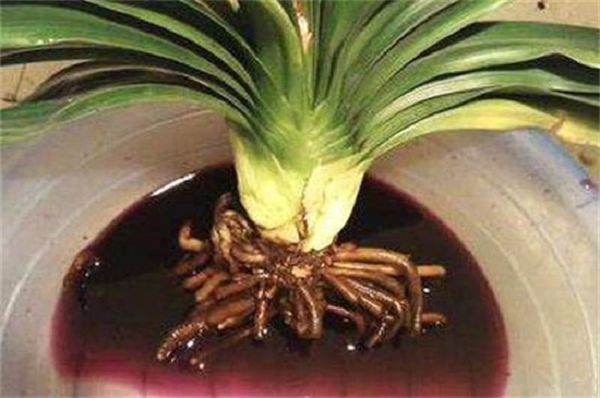
During the growth of clivia, improper care can easily lead to root rot. At this time, do not use white liquor for disinfection, otherwise the large amount of alcohol it contains will irritate the roots of the clivia and cause the rot to become even more severe. It is best to disinfect with a potassium permanganate or carbendazim solution diluted with water, then repot it so it can recover its vitality.
Do not use white liquor to disinfect clivia root rot
During the cultivation of clivia, if root rot is caused by improper watering and fertilizing, compacted soil, or pest and disease damage, then do not use white liquor for disinfection. Although white liquor has a disinfecting effect, if it is used to disinfect clivia root rot, it will make the roots rot even more severely.
After clivia roots rot, they need to be treated immediately. First, the rotted roots must be cut off. At this time, if [white liquor is used], the large amount of alcohol it contains is highly irritating to the roots, damages the root tissue, causes the roots to continue rotting, and makes the plant wither and die.
Generally, after treating the rotted roots, a potassium permanganate or carbendazim solution diluted with water can be sprayed on the roots for disinfection, or plant ash can be applied to the roots to promote rapid healing of the wounds. Then repot it so it can grow new roots and gradually recover its vitality.
Each time after disinfecting clivia root rot, it is necessary to prepare fresh potting soil suitable for its growth. Carbendazim can also be sprayed on the soil for disinfection. This can help the clivia quickly recover its vitality, prevent it from being harmed by pests and diseases, and support normal growth.