What to Do If Marigolds Don't Bloom? Causes and Solutions
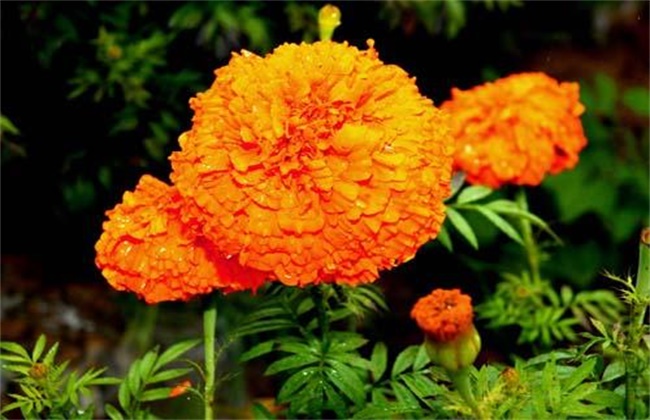
Marigolds are flowering plants, and once they fail to bloom they lose their value. Many friends often encounter the phenomenon of marigolds not blooming during cultivation. So why don't marigolds bloom? How should it be solved? Let's take a look together.
1. Temperature too low
Marigolds prefer a warm environment and can only bloom normally in warm conditions. If the cultivation environment temperature is too low, it will be difficult for their flower buds to form, and naturally they will not bloom. Therefore, during cultivation it is best to ensure the environment is warm, keeping the temperature between 10-20°C, which is beneficial for flower bud differentiation. Especially in winter, heat preservation measures must be taken well.
2. Improper pruning
Marigolds need proper pruning during the growth period, which can promote the plant to produce more blooms. However, pruning has both advantages and disadvantages; if pruning is improper, it will cause them not to bloom or delay blooming. When pruning marigolds, light pruning should be the main approach. Before flowering, excess side branches can be thinned out, which can save nutrient consumption and concentrate nutrients so the plant produces more flowers.
3. Insufficient light
When growing marigolds indoors, because light is limited, it often causes them not to bloom. Marigolds have short light duration; placing them in dark places for a long time will affect their flower bud differentiation and cause the plant not to bloom. At this time, they need to be moved promptly to a place with sufficient light for care. However, it should be noted that summer sunlight is strong, so appropriate shading is needed.
4. Insufficient nutrients
Marigolds will only bloom when nutrients are sufficient. During the care process, if nitrogen fertilizer is applied excessively, it will cause an imbalance in soil nutrients, resulting in poor nutrition for the plant and the phenomenon of excessive vegetative growth, thereby inhibiting the plant from blooming. Therefore, when fertilizing, pay attention to the application of nitrogen fertilizer. Fertilization during the flowering period should mainly use phosphorus and potassium fertilizers, and nitrogen fertilizer should be applied as little as possible or not at all, to promote flower bud formation.
The above is an introduction to the causes of marigolds not blooming and the solutions. We hope it can help you. If you want to learn more related knowledge, please stay tuned to us.