A Detailed Guide to Lily of the Valley Cultivation Methods and Care Techniques
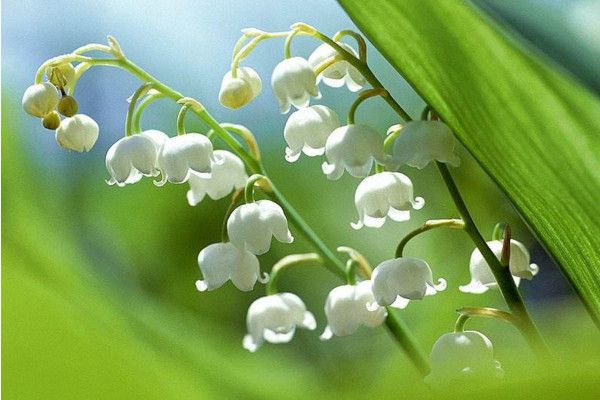
Lily of the valley can be grown in a mix of relatively fertile humus soil with some perlite that has a certain water-retaining capacity. It is fairly cold-hardy, and the most suitable growing temperature is 18°C-22°C. Normally, water it once every 3-5 days; increase watering in summer and reduce it in winter. In spring and autumn, apply a diluted compound fertilizer solution once every half month, while in winter and summer, stop fertilizing.
1. Soil
Lily of the valley requires relatively fertile, slightly acidic soil with a certain water-retaining capacity. You can use relatively fertile humus soil mixed with perlite, which has good water retention, to grow lily of the valley. Never use alkaline soil or clay soil. If growth seems too slow or nutrients are insufficient, you may add an appropriate amount of base fertilizer when planting to make the soil slightly fertile, but the fertility must not be too strong.
2. Temperature
It is fairly cold-hardy, and the most suitable growing temperature is 18°C-22°C. During the growing period, the temperature should be well controlled; the maximum must not exceed 25°C and the minimum must not fall below 10°C. In winter, move it indoors to a warm place to keep it warm; in summer, move it indoors to a cool, ventilated place to lower the temperature. If necessary, you can also spray water mist to cool it down, otherwise it will cause great harm to the plant and may even lead to its death.
3. Water
Lily of the valley prefers a moist environment. In the early stage of planting, keep the soil fully moist, and normally water about once every 3-5 days. In summer, pay constant attention to the dryness and moisture level of the soil, and water as soon as it looks slightly dry, generally once every 1-2 days. In winter, watering once a week is enough, and the amount of water should not be too much, so as to avoid waterlogging and root rot.
4. Fertilizing
Fertilizing should be done with light fertilizer applied frequently. During the growing periods in spring and summer, apply a diluted compound fertilizer solution once every half month. In autumn and winter, it gradually enters dormancy, so fertilizer should be gradually reduced, and in winter fertilizing should be stopped to prevent fertilizer from burning the plant's roots. When first planting, an appropriate amount of diluted fertilizer cake can be applied to help the plant grow better and faster.