What are the advantages and disadvantages of cage fish farming? Learn it all in one article
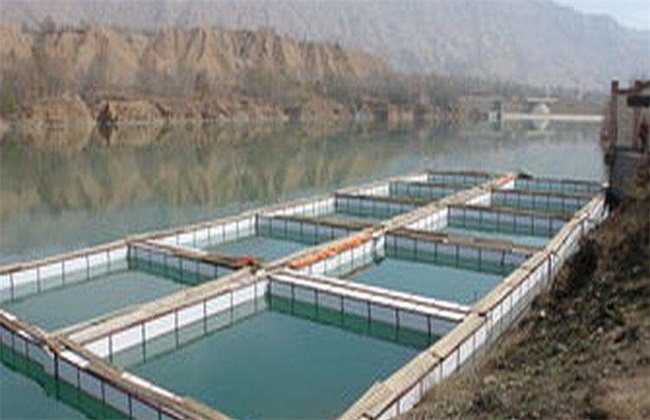
Cage fish farming is currently a very popular fish farming model in China. It is basically distributed all over the country. Compared with traditional fish farming models, cage fish farming has many advantages, which is also the main reason many people choose cage fish farming. However, cage fish farming also has some disadvantages. So what exactly are the advantages and disadvantages of cage fish farming? Below, the editor will give everyone a brief introduction. Let's take a look together!
I. Advantages
1. Low cost, high yield
When carrying out cage fish farming, although we need to prepare corresponding cages according to the number of fish being farmed and invest in the cost of the cages, compared with traditional fish farming models, the cost invested in cage fish farming is lower than that of traditional fish farming. Whether in terms of feeding, management, or harvesting and other aspects, the cost investment is relatively small. Moreover, the yield of cage fish farming is also relatively high. Under normal circumstances, when cage fish farming is carried out in an area of about 40 sq m, the yield of most fish can almost reach tens of thousands of kilograms.
2. Saves land, higher price
Cage fish farming is not restricted by region. When carrying out traditional pond fish farming, if there is no pond, then land still needs to be occupied to develop a pond. Cage fish farming, however, can be carried out directly in rivers and reservoirs, without the need to compete for land or water. At the same time, in traditional fish farming, the aeration machines, feeding machines, and other farming equipment needed are basically not used in cage fish farming. Moreover, the overall quality of cage fish farming is relatively high, so the market price is also higher than that of fish produced by traditional fish farming.
II. Disadvantages
1. Inconvenient use of medication
The disease resistance of most fish is still relatively poor, so when we farm fish, we need to frequently apply medication to prevent disease. When carrying out cage fish farming, if parasites or viruses are found, not only is it inconvenient to administer medication, but the dosage of medication applied also needs to be more than ten times higher, which is very unfavorable to the stability of the medication and the safety of farming. If the weight is relatively large, it will also affect the fish's metabolism. In addition, in recent years, environmental protection has been a key focus of national attention. If procedures are incomplete and this is carried out privately, it may be cleared away if discovered.
2. High ratio, difficult to prevent disasters
As just mentioned, the ratio of cage fish farming is relatively high. The density in each cage is relatively high, so the demand for natural bait for fish will also increase, and in large-scale farming, natural bait will be relatively lacking. Also, compared with traditional fish farming, cage fish farming is not like pond fish farming in that it can well control natural disasters and other calamities. For example, if a flood occurs, then the cages basically cannot be rescued, and the farming will fail completely because of this.
The above is a brief introduction to the advantages and disadvantages of cage fish farming. That is all for today's introduction. This article is for reference only. I hope it can help everyone!