What are the care methods after transplanting hibiscus?
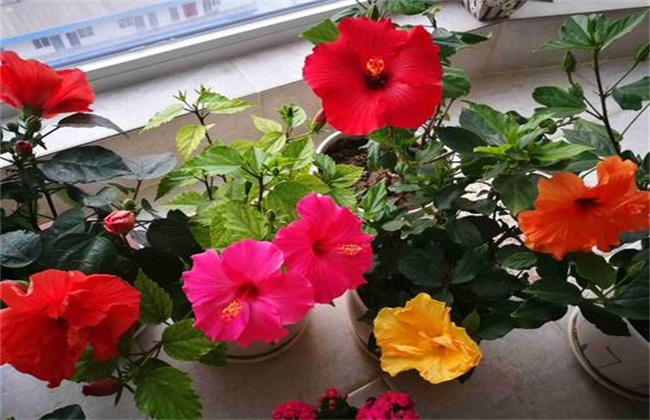
Hibiscus is a fairly common flowering plant in our daily lives. Its planting area in our country is also very large. When planting hibiscus, the main planting method is generally transplanting and setting out. And the care work during the growth of hibiscus is very important, especially after hibiscus is transplanted. So how should hibiscus be cared for after transplanting? Below, the editor will give you a brief introduction. Let's take a look!
1. Light control
Light is very important for the growth of hibiscus, especially after hibiscus is transplanted. After hibiscus is transplanted, suitable light should be provided for it. Suitable light will affect the survival rate of hibiscus seedlings. Because after hibiscus seedlings are transplanted, their growth is still not very stable, so a bright environment is needed to prompt hibiscus to carry out photosynthesis and improve the plant's growth functions. After hibiscus seedlings grow in a bright environment for a period of time, their growth ability gradually strengthens, and the survival rate will therefore increase.
2. Timely watering
After hibiscus is transplanted, we also need to pay attention to doing the watering work well. Because hibiscus is relatively sensitive to changes in moisture, and it originally likes to grow in a relatively moist environment. Therefore, after transplanting, we should water in time to keep the soil moist. However, we should also focus on controlling the amount of watering well, and must not water too much. If too much watering causes water to accumulate in the soil and it is not drained in time, then the hibiscus roots will be unable to breathe, causing root rot, and in severe cases it will cause the death of hibiscus seedlings.
3. Temperature control
Temperature is also closely related to the survival rate of hibiscus after transplanting. After hibiscus seedlings are transplanted, we should pay attention to creating a warm growing environment for them and control the temperature well. The suitable growth temperature for hibiscus is generally around 22-25 degrees, and too high or too low a temperature will have a relatively large impact on its growth. Therefore, we must pay attention to controlling the temperature well. During high temperatures in summer, cool it down in time. Similarly, in low-temperature environments in winter, cold protection work should also be done well to avoid frost damage to hibiscus caused by too low a temperature.
4. Regular pruning
Pruning work is also an indispensable care task after hibiscus is transplanted and set out. After hibiscus is transplanted, we should prune it regularly. For example, when the seedlings grow to about 20cm, keep about 3 new branches with similar growth ability and relatively reasonable distribution. Then cut off the excess axillary buds on the plant, and then when hibiscus enters the growth period, cut off branches such as those that are too densely grown, leggy, dead, and old. This prevents excessive consumption and influence, and can also improve the internal ventilation of the plant, so everyone should pay much attention.
The above is a brief introduction to the care of hibiscus after transplanting. That is all for today's introduction. This article is for reference only, and I hope it can help everyone!