What are the precautions for feeding green fodder when raising cattle in spring?
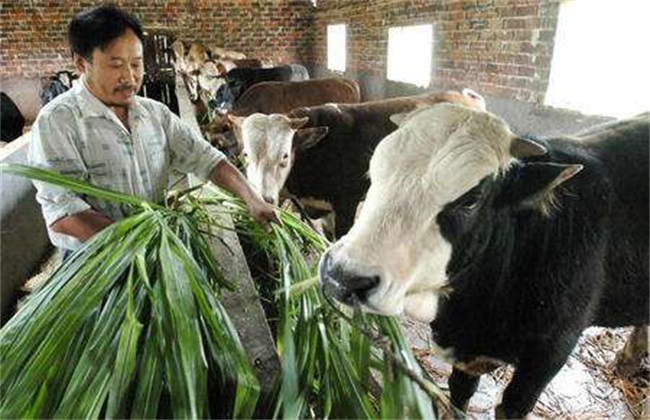
Spring is the season when all things revive, and various forage grasses and green grasses gradually grow out. Therefore, when raising cattle in spring, the feed is generally mainly green fodder. Cattle are naturally animals that like to eat green fodder, so feeding green fodder when raising cattle in spring is very good. However, when we feed green fodder when raising cattle in spring, there are many places that require our attention. Below, let's take a look with the editor at the precautions for feeding green fodder when raising cattle in spring!
1. Reasonable matching
When feeding green fodder in spring, we should pay attention to reasonable matching and must not feed only a single kind of green fodder for a long time. Although a single feed can let the cattle eat their fill, cattle need various and comprehensive nutrients during their growth process. Therefore, if only a single kind of green fodder is fed, it will affect the fattening of the cattle. So when we feed green fodder, we should match it with an appropriate amount of feed with high contents of nutrients such as protein and vitamins. With a reasonable nutritional ratio and feed matching, the feeding effect is far better than feeding a single kind of green fodder.
2. Prevent poisoning
When feeding green fodder, we should also pay attention to preventing cattle from becoming poisoned. Because green fodder contains relatively large amounts of substances such as nitrite and hydrocyanic acid, cattle are prone to poisoning by these two substances. Green fodder should not be piled for too long, otherwise it will increase the nitrite content in the green fodder. Then, substances such as corn seedlings and flax leaves are not suitable for feeding cattle. Because these substances contain a certain amount of cyanogenic glycosides, they can easily cause hydrocyanic acid poisoning in cattle. Therefore, if conditions permit, it is best not to feed this kind of feed, and if it needs to be fed, then it should also be processed and fermented to improve the safety of the feed.
3. Feeding amount
When feeding green fodder, we should also pay attention to controlling the feeding amount well and must not feed too much. Because although tender green fodder contains a great deal of nutrients and has relatively good palatability, it also contains a great deal of saponin. If cattle eat too much, they are prone to rumen bloating. Therefore, when feeding, we should reasonably adjust the feeding amount according to the body size and eating situation of the cattle. Green fodder can also be fermented, which can effectively improve the feed utilization rate and is also easy to digest.
4. Pay attention to hygiene
The hygiene of green fodder is also something we need to focus on when feeding. First of all, when harvesting green fodder, we should pay attention to hygiene. During harvesting, avoid the feed getting contaminated with dirt and other dirty substances. If there is water on the feed, then it should only be fed after the water has dried. It must not be fed immediately after harvesting, as this is very unfavorable to the growth of cattle. Then, after each feeding of the cattle, the residual feed in the trough should be cleared away. Especially the feed spilled on the ground, to avoid cattle eating it by mistake and thereby causing disease.
The above is a brief introduction to the precautions for feeding when raising cattle in spring. That is all for today's introduction. This article is for reference only, and I hope it can help everyone!