Key Technical Points and Management Methods for Winter Meat Duck Farming
As winter arrives, temperatures get lower and lower, and the low-temperature environment has a huge impact on the growth of meat ducks. Therefore, raising meat ducks in winter is very important work, because if winter management is improper, it will lead to weight loss in meat ducks and cause various problems, and in severe cases even death. So how should meat ducks be raised well in winter? Below, the editor brings you the farming techniques for meat ducks. Let's take a look!
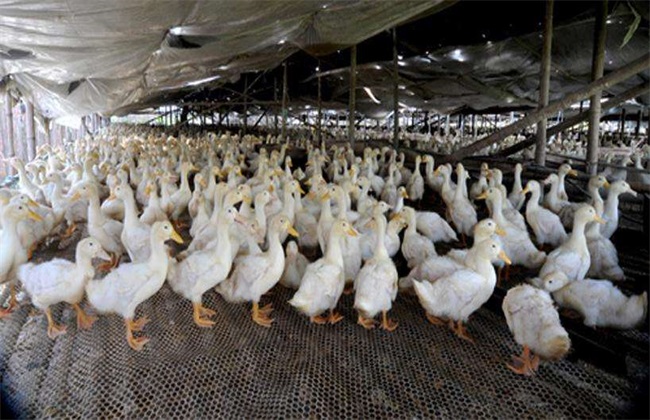
1. Cold prevention and warmth keeping
As a waterfowl, the meat duck is actually quite strong in cold resistance. However, in the case of ducklings, because their various physiological functions are not yet fully developed, their cold resistance is still relatively poor. The temperature must be maintained for them to grow normally. After entering winter, the temperature for ducklings during the first three days after hatching should be kept at around 30 degrees, then lowered by one degree every four days until the temperature stabilizes at around 20 degrees. If the temperature is too low during the brooding period, ducklings will show phenomena such as shivering, huddling, and poor development. Moreover, the ducklings at the very bottom of the huddle may suffocate and die from being squeezed, so the temperature must be well controlled and appropriate insulation measures taken.
2. Duck house inspection
Before the ducklings enter the duck house, we must first carry out a comprehensive inspection of the duck house. Check whether doors, windows, etc. are damaged, then whether there are holes in the walls and roof, and whether there may be water leaks, etc. If such situations exist, pay attention to repairing them in time. All places that may leak wind or water must be fully repaired. If coal is used for heating inside the duck house, then a chimney must be installed to discharge the coal smoke outside the house. Coal smoke must never remain inside the house, otherwise the meat ducks have a very high chance of being poisoned by it. Then every time you enter or leave the duck house, be careful to close the door tightly to prevent drafts from entering.
3. Duck house maintenance
When the winter cold wave is about to arrive, be sure to repair the duck house well, thicken the roof, and hang wind-blocking curtains on doors and windows, etc. Also pay attention to adding coverings on both sides of the duck house walls, then spread an appropriate amount of sand and soil on the ground, and keep ventilation openings in a state that can be freely controlled manually. Then as the meat ducks grow older, after expanding the pen, heating lamps can be installed inside the duck house. Generally one for about every ten square meters, with the height kept at around one meter. Ensure that the meat ducks can warm themselves normally. There is no limit to the density of heating lamps; it mainly depends on factors such as environmental conditions and temperature.
4. Wind prevention and ventilation
In winter, we should focus on preventing cross drafts and drafts inside the duck house, and avoid them blowing directly onto the meat ducks. This can cause a sharp drop in the body temperature of the meat ducks and lead to conditions such as colds. If ducklings take their first drink in winter, then the water temperature should be kept well and must not be lower than 20 degrees. But while preventing wind and keeping warm, we must also do a good job of ventilation. If ventilation is poor, then the air quality inside the duck house will become extremely bad, and the content of harmful gases such as ammonia will also increase, causing serious harm to the growth of the meat ducks. Therefore, everyone must pay close attention to this.
The above is a brief introduction to winter meat duck farming techniques. That is all for today's introduction. This article is for reference only, and I hope it can help everyone!