What to do when a clivia (Clivia miniata) has root rot? Trim the roots, disinfect them, and replant for fast rooting
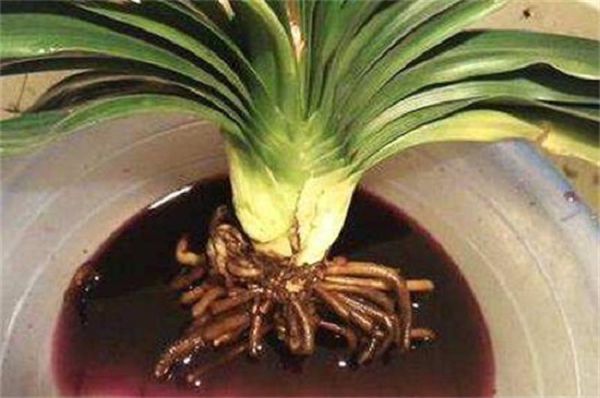
Many people do not know what the fast rooting method for clivia with root rot is. In fact, you only need to prune its rotten roots, then disinfect the roots, sterilize the potting soil by sun exposure, and replant the clivia in loose soil to help it root quickly. In everyday care, water moderately, apply light fertilizer frequently, and choose a breathable flower pot and soil so the clivia roots grow better and root rot is avoided.
I. Fast rooting method after clivia root rot 1. Prune the roots
After discovering that a clivia has root rot, first prune its rotten roots. Take the clivia out of the pot, then remove the soil from the roots, rinse them clean with water, and use scissors to cut off all the rotten roots so the entire root system stays healthy.
2. Disinfection
Soak the pruned roots in a diluted potassium permanganate solution for 5 to 10 minutes to disinfect them, then rinse them again with water. Pour out all the old soil used for planting, prepare loose and fertile new soil, and place the flower pot and soil in the sun to sterilize them by sun exposure.
3. Replant
The most important part of the fast rooting method for clivia with root rot is replanting: plant the treated roots directly into the soil, usually pine needle soil or plain soil. Just water to moisten the soil, then place the flower pot in a spot with indirect light and keep the temperature at around 20 to 25°C, and new roots will soon grow.
II. How to prevent clivia root rot 1. Water moderately
Overwatering easily causes waterlogging in the clivia's potting soil, leading to root rot. In everyday care, water moderately: usually once every 2 to 3 days in spring and autumn, and once a day in summer, just keeping the soil moist. Note that the amount of water needs to be controlled so that waterlogging does not occur.
2. Fertilize reasonably
Too much fertilizer or fertilizer that is too concentrated can also easily cause fertilizer buildup and concentrated fertilizer burn on clivia roots, so fertilizing must be reasonable. During care, apply light fertilizer frequently; during the growing season, dilute concentrated fertilizer with water and apply an appropriate amount of fertilizer solution about once every half a month, which lets it grow healthily.
3. Breathable pot and soil
A flower pot that is too small and not breathable makes it hard for the clivia's roots to stretch out freely and breathe, and compacted soil can also cause clivia root rot. Choose a breathable clay pot and loose soil so the clivia roots grow vigorously and root rot is avoided.