Watering Methods and Precautions After Repotting a Clivia
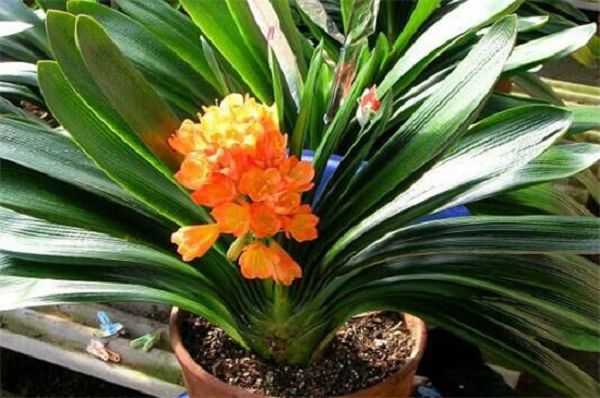
After repotting a clivia, you also need to pay attention to its routine care. When repotting, leave the roots outdoors to dry for about 1 to 2 days. After repotting, there is no need to water immediately. If the roots were not dried, it is best to spray a mist of water on the leaves after repotting, but be sure not to let water flow into the leaf core. After that, simply follow the watering principle of letting the soil dry before watering again.
I. Watering Methods After Repotting a Clivia
Repotting a clivia properly can help its root system grow. After repotting, you also need to pay attention to routine care. So what should you do? Generally, it is best not to water immediately after repotting. You should wait until the potting soil dries before watering, and the amount of water added should not be too much. Just water thoroughly in one go to avoid root rot.
If, when repotting, you leave the clivia's roots outdoors to dry for about 1 to 2 days, then you should water promptly after repotting. If the roots were not dried, spray a mist of water on the leaves when repotting. Be careful not to spray too much, and do not spray directly at the leaf core. If water accidentally gets into the leaf core, use absorbent cotton to draw the water out.
II. Precautions After Repotting a Clivia 1. Pruning
Since the clivia's root system is rather thick and strong, repotting should be combined with pruning. Cut off the rotten fibrous roots from the old roots, disinfect once with an appropriate amount of carbendazim, and place the trimmed roots in a cool, well-ventilated place to dry. Before repotting, add an appropriate amount of perlite or sand and gravel to the bottom of the pot.
2. Environmental Management
The clivia is quite sensitive to changes in light. Immediately after repotting, place it in a spot with ample sunlight. It is best not to place it in an indoor spot with poor air circulation. Instead, place it outdoors in a ventilated spot with diffused sunlight. After about a day of drying, it can be moved indoors, and then add an appropriate amount of rotted tree bark or ceramsite to the potting soil.