How to grow orchids so they thrive? Detailed care methods and tips
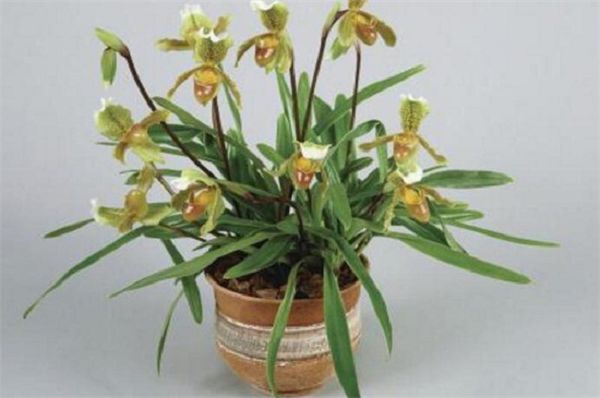
If you want your orchids to grow luxuriantly, it is best to choose a highly permeable soil rich in organic matter, then add coarse sand or charcoal to the soil, place them in a sunny spot indoors in spring, summer and autumn, water lightly once every 1 to 2 days during the growing period, and carry out drainage treatment during overcast, rainy weather or the plum rain season.
1. Organic soil
Since orchids like to grow in highly permeable, well-drained soil rich in organic matter, you can use leaf mold, peat soil, river sand and bone meal mixed in a ratio of 5:3:2:2, then add coarse sand or charcoal to the soil and apply an appropriate amount of decomposed organic fertilizer solution.
2. Control light Orchids have high light requirements for growth, so it is best to provide shade in advance during spring, summer and autumn, but they must not stay in a shaded place for too long; generally, a sunny spot indoors is best, and by late autumn, half a day of light exposure per day is sufficient.
3. Appropriate amount of water
When cultivating orchids, watering should be moderate; remember not to overwater, and do not water at noon. During the growing period, water lightly once every 1 to 2 days. During hot, dry seasons, the watering frequency can be appropriately increased, preferably in the evening. Reduce watering in winter and keep the potting soil slightly dry.
4. Regular fertilization In orchid cultivation, decomposed fertilizer liquid should be used for fertilizing. After orchids are planted, during the period when true leaves grow, a dilute liquid fertilizer solution can be applied twice, and it is best to apply it at night. During spring and autumn, apply a phosphorus-potassium fertilizer solution once about every 20 days, and stop fertilizing in winter.
5. Rain protection treatment
Although orchids are moisture-loving plants, during overcast, rainy or plum rain seasons, it is best to carry out drainage treatment irregularly, and never allow water to accumulate in the pot. Alternatively, add an appropriate amount of plant ash or bone meal to the pot to promote root growth and development.