What are the causes and prevention measures of pond bottom turnover in winter fish ponds?
After the Start of Winter, we can clearly feel that the temperature is gradually turning cooler. This is also a season when cold air occurs frequently, and for those in aquaculture, it is also an extremely troublesome period. If cold protection work is not done properly, pond bottom turnover is very likely to occur, causing fish and shrimp to die in large numbers. So how can pond bottom turnover be prevented? Let's take a look together.
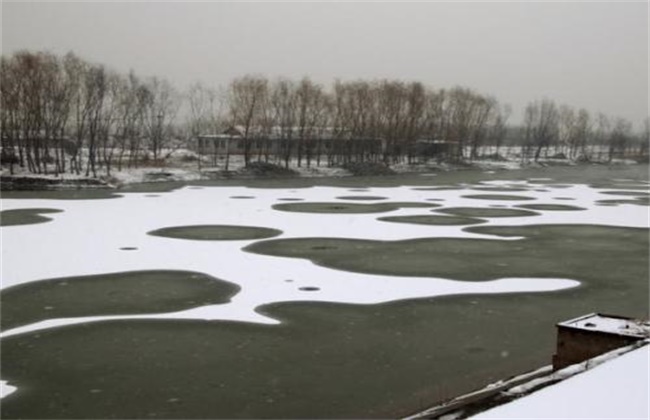
1. Causes of pond bottom turnover
First, there is too much sludge at the bottom of the pond, because the density of fish and shrimp in the pond is too high, producing a large amount of feces, or the feeding amount is too much, causing a large amount of feed to accumulate at the bottom of the pond. As feces and feed pile up over a long time, a large amount of sludge will eventually form at the bottom of the pond. Second, the influence of cold air causes too great a temperature difference between the upper and lower water layers, causing strong convection in the water body, which stirs up the sludge. This is pond bottom turnover. In addition, organic matter and substances in the water body will react to form toxic substances, harming the health of fish and shrimp.
2. Preventive measures
The harm caused by pond bottom turnover is that fish and shrimp suffocate and die, so farmers need to put some effort into feeding. During periods when cold air strikes, the feeding amount should be appropriately reduced. Do not let fish and shrimp eat too full, and avoid consuming too much oxygen during eating and digestion. In this way, even if pond bottom turnover occurs, there will still be enough oxygen for fish and shrimp to survive, and enough time for farmers to deal with it. At the same time, pay attention to weather forecasts and carry out pond bottom improvement in advance. Substrate improvers can be used, which can not only adsorb and degrade some harmful substances, but also promote the decomposition of organic fertilizer in the sludge.
3. Response measures
Even if comprehensive preventive work has been done, pond bottom turnover may still occur during extreme weather. When pond bottom turnover occurs, farmers should first increase the oxygen content in the water body so that the fish and shrimp can recover, and then carry out detoxification. It should be noted that during this process, the disturbance should not be too great, so as to avoid causing stress reactions.
The above is an introduction to the causes and prevention measures of pond bottom turnover in winter fish ponds. We hope it can help you. To learn more related knowledge, please stay tuned to us.