What causes root rot in clivia? A few tricks to save it
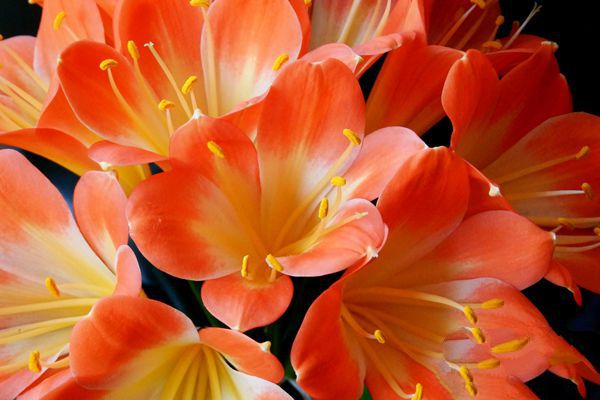
Generally speaking, the causes of root rot in clivia are as follows:
1. Unsuitable environment
When clivia is in an environment with too high a temperature or too much humidity, and there is no good ventilation, root rot is easily triggered.
2. Over-fertilizing
Too much fertilizer causes fertilizer to accumulate at the roots of the clivia, and fertilizer that does not ferment causes the surrounding temperature to rise; at this point the roots of the clivia are easily burned by the high temperature, which leads to root rot.
3. Damaged roots
When we newly plant clivia or repot it, we may accidentally damage its roots; if this situation is not noticed or not dealt with in time, it can all lead to root rot in clivia.
4. Unsuitable pot or potting soil
When we choose ceramic pots and plastic pots that have relatively poor air permeability, it is easy for the potting soil of the clivia to have poor air and water permeability, thus causing root rot. And when the potting soil we choose is of poor quality or unsuitable for clivia, it will also easily cause root rot in clivia.
Rescue methods:
We can first carefully knock the clivia with root rot out of the potting soil and remove the soil, cut off the roots, wash with water, and then apply potassium permanganate solution to the rotted roots. After that, wrap all the leaves with white paper, leaving only the roots exposed, face them toward the sun for half an hour, and use ultraviolet light to sterilize.
After the above treatment, if only a few roots of the diseased plant have rotted, then it can be planted directly into sterilized nutrient soil, with less watering in the first half month, and growth can recover in one and a half months; if more than half of the roots of the diseased plant have rotted or all of them have rotted, then we should plant it in a pot filled with fine sand and place it in a shady and cool place to sprout new roots, and wait for about two months until the new roots grow, then change to nutrient soil and carry out normal cultivation again.