What causes rotten leaves on a Clivia?
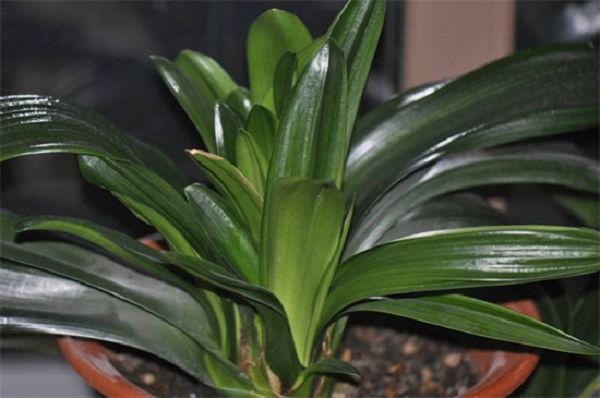
Rotten leaves on a Clivia may be caused by sunburn and yellowing, rotting leaves from too much light; it may also be caused by over-fertilizing, which burns the roots and affects the Clivia's growth from the roots, making its leaves rot. The high temperature and high humidity of the summer rainy season can also easily cause Clivia leaves to rot, and it may also be caused by over-watering, which leads to waterlogged roots that then rot.
1. Too much light
When a Clivia is exposed to strong direct light for a long time, not only do the leaves lose their luster and become soft and wilted, but the leaves can also be sunburned, causing yellow spots on the leaf surface or even the whole leaf to dry up and rot. So in summer, shade must be provided. If the leaves turn yellow, the yellow leaves can be cut off and the plant re-grown for new leaves.
2. Over-fertilizing
If too much fertilizer is applied at too high a concentration, it can easily burn the roots, and the leaves begin to rot from the base and spread upward; in severe cases, all the leaves will rot away. In this situation, the plant needs to be taken out of its pot and the roots washed promptly, then replanted and cared for after changing the soil.
3. Too much humidity
During the summer rainy season, humidity is too high, and high temperature and high humidity cause the leaf tips to wither and grow mold, weakening resistance to disease. If ventilation is poor, the leaves can easily become moldy and even lead to pests and diseases. In this case, spray the plant with a carbendazim solution and ventilate well, keeping the potting soil relatively dry.
4. Over-watering
Over-watering also affects the Clivia's growth, causing waterlogged roots that lead to root rot, with the leaves rotting and turning black from the base. In this situation, dig the Clivia out, cut off the rotted diseased roots, disinfect them, let the wounds dry, and then repot the plant.
5. Too high a temperature
When summer temperatures are too high, the Clivia's growth slows down. Many people may not know that when the temperature reaches 30°C, fertilizing or watering can both cause root rot and leaf rot, so the temperature needs to be lowered promptly to let it grow normally.