How to Care for a Goldfish Plant? Five Key Points to Help You Get Abundant Flowers and Lush Foliage
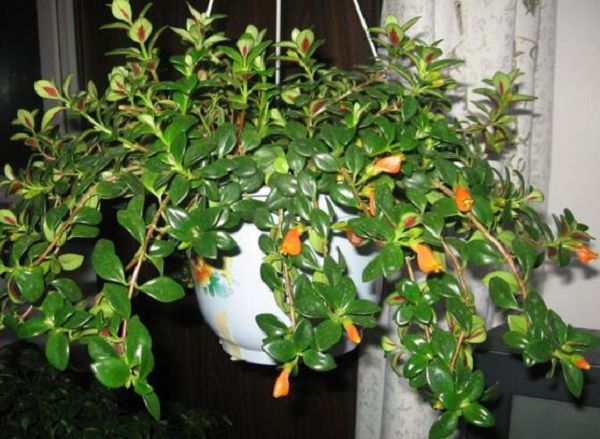
The goldfish plant is a rather unusual herbaceous plant, named for its orange-red flowers that look exactly like goldfish. Since relatively few people grow goldfish plants, many gardening enthusiasts do not know how to care for one. But no plant can escape the four key points of light, temperature, watering and fertilising, and if you want your goldfish plant to grow really well, you must master five.
I. Five Care Tips for the Goldfish Plant 1. Suitable Light
The goldfish plant prefers places that are a bit warmer, a bit more humid, and relatively cool and well ventilated. Apart from winter, when it needs plenty of sunlight, it needs reasonable shading in the other seasons, especially in summer and autumn, when the shading rate should reach about 65%. The goldfish plant is best placed indoors in a spot with plenty of scattered sunlight, which is more favourable for its growth.
2. Watering in Moderation
The goldfish plant has a relatively high demand for water, and it is best to water it thoroughly each time. Apart from winter, you can water it generously, and you should also regularly spray the plant to maintain humidity. In winter, however, you need to water only sparingly, because the goldfish plant is in its dormant period at this time and too much water may cause root rot.
3. Controlling Temperature
The temperature most suitable for the growth of the goldfish plant is around 18-22°C, so April to June each year is the best growing period for the goldfish plant, and at this time remember to water and fertilise more. If the temperature drops below 10°C, the goldfish plant will suffer cold damage, causing the leaves to turn yellow and dry up. If the temperature rises above 30°C, it will also drop its leaves, so the temperature must be well controlled.
4. Fertilising in Measured Amounts
During the peak growing season of the goldfish plant, you can apply a dilute organic fertiliser solution once every 1-2 weeks to supply the nutrients needed for growth. Before flowering, the goldfish plant needs extra phosphorus fertiliser; do not fertilise during the flowering period; and after flowering ends, promptly prune away the spent flowers to avoid wasting nutrients, and add a moderate amount of nitrogen fertiliser.
5. Soil pH
The goldfish plant is suited to growing in slightly acidic soil, and this needs to be taken into account from the very start of cultivation; choose a sandy loam soil with very good drainage and aeration if possible. If the soil pH is not suitable, you can try adding some acidic fertiliser or solution to adjust it, which is what will favour the growth of the goldfish plant.
II. Reasons Why the Goldfish Plant Does Not Bloom
The flowers of the goldfish plant are very unusual, like little goldfish shrunk down into rows, and the flowering period of the goldfish plant is generally in spring and summer, with the blooming lasting a fairly long time. Once you know how to care for a goldfish plant, you still have to pay attention to its flowering. Generally speaking, a one-year-old goldfish plant will not bloom; only after two or three years will you see those little goldfish one by one. There are also some other reasons that may prevent the goldfish plant from blooming.
1. Insufficient Light
Without suitable light, the goldfish plant will not bloom. Although the goldfish plant is fairly shade tolerant, it still needs regular light so that it can carry out photosynthesis properly and accumulate enough nutrients for itself to flower. If there is not enough light, it simply will not bloom; you cannot expect the horse to run without feeding it grass, after all.
2. Poor Ventilation
The goldfish plant really dislikes being grown in a stuffy environment. If the place where the goldfish plant is kept is not well ventilated, the leaves will gradually become listless, turn yellow and even dry up bit by bit. If it cannot even grow normally, how can you expect the goldfish plant to bloom? So ventilation must be ensured, and only then will it produce flowers.
3. Improper Watering
Both overwatering and underwatering are reasons that affect the flowering of the goldfish plant. The goldfish plant goes dormant for a period in winter, and after it wakes up it will bloom; if at this time it is watered too much, the goldfish plant will be unable to adapt, causing water to accumulate at the roots and rot them, which affects the plant's growth and flowering.