How to grow Cymbidium faberi? Getting the soil mix and temperature environment right is key
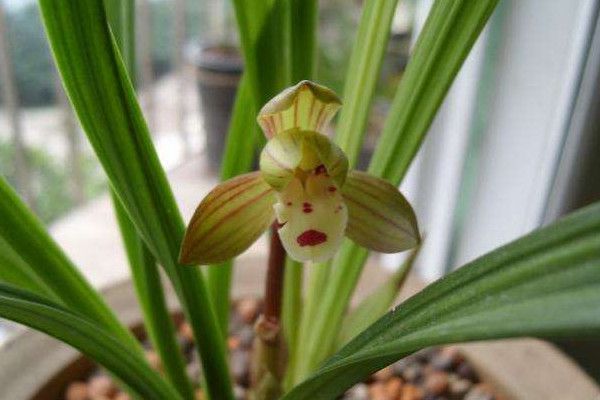
Cymbidium faberi is a type of orchid. As a relatively delicate plant, it needs careful attention during care in order to grow healthily and perfectly. In particular, the two aspects of soil and temperature must be properly managed; only the most suitable environment for Cymbidium faberi's growth can make its flowers more brilliant when it blooms.
1. Soil conditions
Cymbidium faberi is a type of orchid, and when growing it, the requirements for soil are relatively high. You need to use flower soil with good air permeability so as to ensure the roots can breathe and avoid root rot. If you want convenience, you can directly buy special orchid soil on the market, or if you have time, you can mix it yourself. Generally, use nutrient soil, pond foundation stone, weathered rock and granular yellow clay, etc., which can be mixed in a ratio of 5:3:1:1.
2. Appropriate temperature
For beginners, the hardest part of growing Cymbidium faberi to control is still temperature. This plant likes a warm environment, and the most suitable growing temperature is between 10-25°C. If the temperature is too high, it is unfavorable for growth. When it blooms, it needs a slightly lower temperature environment, keeping it between 5-15°C, so that the flowering period can last longer.
3. Light conditions
Cymbidium faberi prefers a strong-light environment. When growing it at home, it is generally recommended to place it on a balcony or windowsill with ample light, so that it can carry out more sufficient photosynthesis. However, in the high-temperature and scorching summer environment, appropriate shading is still needed. If it is exposed to strong light for a long time, the leaves are very likely to turn yellow and wilt, affecting the plant's growth and development.
4. Watering method
Although Cymbidium faberi likes a moist environment, it is still afraid of water accumulation. Generally speaking, when watering Cymbidium faberi, you can adopt the method of small amounts but more frequent watering to keep the soil slightly moist, and the amount of water at one time should not be too much. When the temperature is relatively high, because evaporation is greater, you can appropriately spray water on the plant to moisten it and maintain a relatively reasonable humidity.
5. Reasonable fertilizing
Fertilizing is a very key part of growing Cymbidium faberi well, but it does not need too much fertilizer. It is recommended to use Orchid Bacteria King, which can be sprayed once every ten days during the growing period. In addition, in early March and early October each year, a fully diluted decomposed organic fertilizer should be applied once as a top dressing. Some Cymbidium faberi do not bloom easily, so from August to November each year, a 0.125% potassium dihydrogen phosphate solution can be sprayed.
6. Repotting and changing soil
The best time to change the pot and soil for Cymbidium faberi is between March and June each year, generally choosing a sunny day. If it is rainy weather, it is not very suitable for changing the pot and soil. During the changing process, pay attention to checking the root system of Cymbidium faberi. If there are rotten parts, appropriate pruning can be done, which can promote healthier growth of the plant afterward.