What are the common pests and diseases of orchids? A detailed guide to prevention and control methods
I. What pests and diseases affect orchids
1. Anthracnose
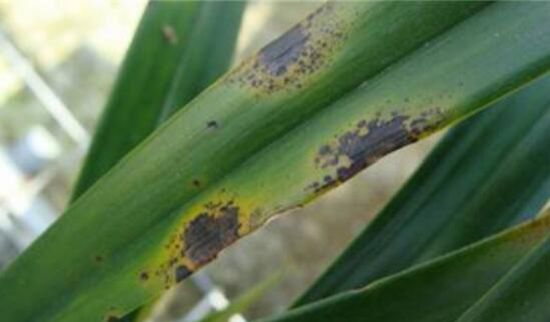
This is one of the most common orchid diseases. In the early stages of infection, it causes obvious small black spots on the plant, which then keep expanding until the leaves form irregular lesions all over, and in severe cases a anthracnose phenomenon appears in the center of the lesions, thus affecting the plant's normal growth.
2. Scale insects
Almost all plants can be infected by this pest, especially in summer when the weather is more severe. If the indoor air is not circulating well on top of that, the plant is very likely to develop scale insects, and scale insects reproduce very quickly. In severe cases they can cause the entire plant to die.
3. Nematode disease
Nematodes parasitize the orchid's roots, causing root rot, poor growth of the above-ground leaves, leaf discoloration and yellowing, and even plant wilting. Nematode damage creates a large number of wounds and also invites infection by other soil-borne pathogens, causing the plant to become diseased and accelerating its death.
4. Southern blight
The disease is most severe when watering is too wet or ventilation is poor, and seedlings that have just been planted are especially vulnerable. The infected area produces brown lesions, which expand rapidly in a hot and humid environment and eventually appear as dark brown spots. If growers encounter this situation during cultivation and do not treat it in time, it will cause the entire plant to die.
II. Common orchid pests and their prevention and control methods
1. Strong-smelling vegetables
Strong-smelling vegetables each have their own distinctive odor, and these odors can play a role in killing insects and sterilizing. Commonly used strong-smelling vegetables at home include scallions, garlic, Chinese chives, ginger, onions, and so on. Take an appropriate amount of strong-smelling vegetables, mash them into juice, dilute with a little water, and spray directly on the orchid plant. It can treat aphids, red spider mites, scale insects, and gray mold.
2. Ointment application method
For localized problems such as orchid black spot disease, if you cannot bear to remove the entire leaf, you can use the localized ointment application method. The specific method is to mix thiophanate powder with water into a paste and apply it to the affected area, then wipe it off and reapply every other week. This can inhibit the development and spread of the problem to the greatest extent. Orchid growers may want to give it a try.
3. Cigarette butts for pest control
Tobacco leaves contain nicotine, which has a killing effect on pests. Just take 20 or so cigarette butts and one portion of quicklime, add water and stir well, soak overnight, then filter, add 30 times the amount of water, and use it to spray directly on the orchid plant. Spraying the bottom of the pot can also eliminate pests such as ants.